How to Get Rid of Raccoons
Proudly Serving South Carolina | North Carolina | Georgia | Florida
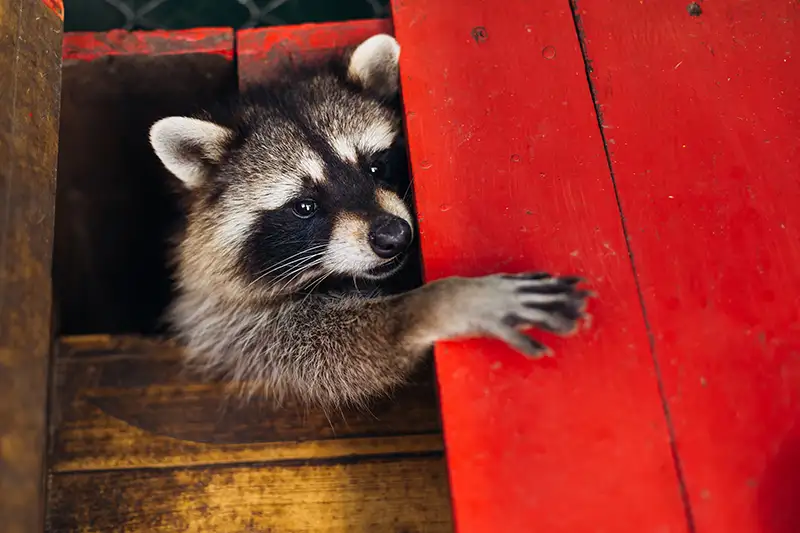
Raccoons are highly adaptable animals that may move onto residential properties in search of food, water, and shelter. When they gain access to an attic, crawl space, chimney, or other part of a structure, they can damage insulation, vents, roofing materials, and other building components.
Getting rid of raccoons involves more than removing the animal. The property should also be inspected for entry points and conditions that may be attracting wildlife in the first place.
Rocket Pest Control provides professional wildlife removal and exclusion services designed to address both the raccoon activity and the conditions contributing to the problem.
What Attracts Raccoons to Your Property?
Raccoons are opportunistic feeders and will take advantage of easy sources of food and shelter around homes and businesses.
Common attractants include:
- Garbage: Trash cans without secure lids can provide an easy food source.
- Pet Food: Food and water left outdoors may attract raccoons and other wildlife.
- Bird Feeders: Seed and spilled food can draw wildlife into the yard.
- Gardens & Fruit Trees: Produce, fallen fruit, and compost may provide additional food.
- Shelter: Attics, crawl spaces, chimneys, sheds, decks, and other protected areas can provide places to rest or raise young.
- Entry Points: Damaged vents, loose soffits, roof gaps, and other openings may allow raccoons into a structure.
Signs You May Have a Raccoon Problem
Seeing a raccoon pass through the yard does not necessarily mean it is living on your property. Repeated activity or signs around the structure may indicate a more established problem.
Watch for:
- Scratching, thumping, or movement in the attic, walls, or roof area.
- Garbage repeatedly being disturbed overnight.
- Damaged soffits, vents, roofing, or other exterior materials.
- Droppings concentrated in the same area.
- Tracks, nesting material, or other signs of wildlife activity.
- Raccoons repeatedly entering or leaving the same opening.
How Does Professional Raccoon Removal Work?
Professional raccoon removal starts with identifying where the animal is active and how it is accessing the property.
Depending on the situation, service may include:
- Inspection: The property is inspected for raccoon activity, entry points, nesting areas, and visible damage.
- Removal: An appropriate wildlife removal method is selected based on the animal, location, and conditions present.
- Exclusion: Once the wildlife activity has been addressed, accessible entry points may be repaired or sealed to help reduce repeat entry.
- Cleanup: Areas affected by droppings, nesting material, or other contamination may require cleaning or additional service.
- Property Recommendations: Our technicians may identify food sources, shelter, or other conditions that could continue attracting wildlife.
Avoid attempting to corner, handle, or remove a raccoon yourself. Wild animals may defend themselves when they feel threatened or trapped.
How Can You Keep Raccoons Away?
Removing a raccoon may only solve part of the problem. If food sources or entry points remain available, another animal may eventually take advantage of the same conditions.
To make your property less attractive to raccoons:
- Secure trash cans: Use tightly fitting lids and avoid leaving garbage accessible overnight.
- Bring pet food indoors: Do not leave pet food or water outside overnight when possible.
- Manage bird feeders: Clean up spilled seed and consider removing feeders when wildlife activity becomes persistent.
- Clean up fallen fruit: Remove produce and other food sources from the ground.
- Limit access to shelter: Secure crawl spaces, chimneys, sheds, decks, and other protected areas.
- Repair entry points: Address damaged vents, roof openings, soffits, and other accessible gaps after wildlife has been removed.
Why Raccoon Exclusion Matters
Raccoons are capable climbers and can take advantage of weak or damaged areas around a structure. Simply removing the animal without correcting the access point may leave the property vulnerable to future wildlife activity.
Exclusion focuses on repairing or securing the areas animals are using to enter. Depending on the property, this may include vents, soffits, roofline gaps, chimneys, or other openings.
Combining removal with exclusion helps address both the immediate wildlife problem and the conditions that allowed the raccoon inside.
Professional Raccoon Removal in the Southeast
If raccoons are living in or around your home or business, Rocket Pest Control can inspect the property, identify areas of activity, and recommend an appropriate removal and exclusion plan.
Our wildlife removal services are available throughout Florida, Georgia, North Carolina, and South Carolina.
Need help with a raccoon problem? Contact Rocket Pest Control today for a free estimate.
Back to Wildlife Removal Services