Crawl Space Dehumidification
Proudly Serving South Carolina | North Carolina | Georgia | Florida
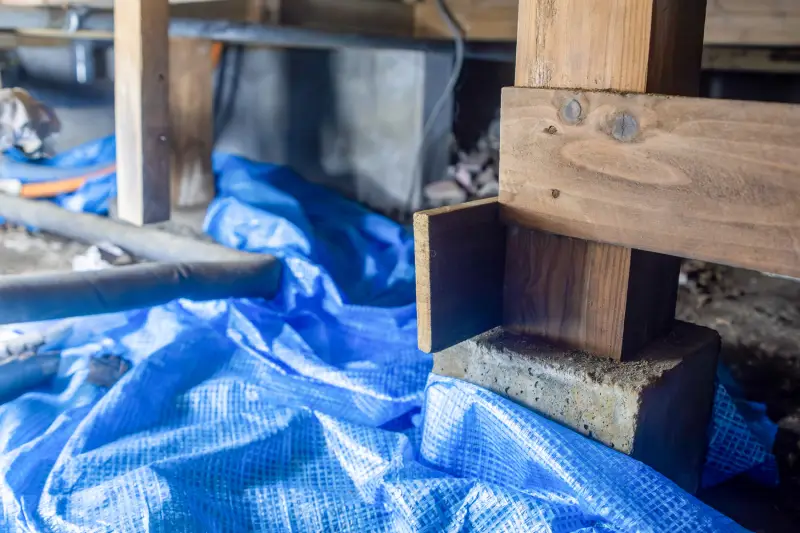
Moisture issues are completely solvable. When you need reliable crawl space dehumidification across the Southeast, trust the experienced specialists at Rocket Pest Control for lasting protection. Proudly serving homeowners across North Carolina, South Carolina, Georgia, and Florida, we safeguard your home’s structural foundation and restore your indoor air quality.
Stepping into your home should bring comfort, but high humidity, musty odors, or skyrocketing energy bills can quickly create unnecessary stress. Whether you are dealing with cupping hardwood floors, sticky air, or mold specks on baseboards, these frustrating signs usually point to excess moisture beneath your feet.
Contact Rocket Pest Control today to schedule an evaluation for crawl space dehumidification across the Southeast and take the first step toward a healthier, more comfortable home.
What Crawl Space Dehumidification Is
Crawl space dehumidification is a targeted moisture management process designed to continuously extract excess water vapor from the air beneath your home. Unlike portable units built for living spaces, a heavy-duty commercial crawl space dehumidifier is specifically engineered to operate efficiently in low-clearance, unconditioned environments.
The process works by pulling damp air through an intake system, cooling it to condense hidden moisture into liquid water, and discharging that water outside through a dedicated drainage line or condensate pump. The unit then recirculates dry, warm air throughout the crawl space. By maintaining a relative humidity level below 50% to 55%, a dehumidification system eliminates the humid conditions that allow wood rot, mildew, and pest infestations to thrive. Understanding how these systems function makes it easier to spot the warning signs that your own crawl space requires attention.
Signs Your Crawl Space May Need Dehumidification
Because your crawl space sits hidden beneath your living area, moisture issues often develop unnoticed until they manifest inside your living space. Recognizing the early indicators of high humidity can prevent costly structural damage and health hazards down the road.
Common signs that your crawl space requires professional moisture control include:
- Musty Odors: Dank, earthy smells drifting up through air vents or floorboards usually indicate active mold or mildew growth in the crawl space.
- Buckling or Cupping Floors: Hardwood floorboards absorb dampness rising from underneath, causing them to warp, peak, or feel spongy underfoot.
- Sustained Indoor Humidity: If your air conditioner runs constantly yet your home still feels clammy or muggy, excess ground moisture is likely overloading your HVAC system.
- Visible Mold or Condensation: Beading moisture on ductwork, joists, or insulation, as well as dark staining on subflooring, points directly to saturated air.
- Pest Activity: Moisture-loving pests such as termites, wood-boring beetles, cockroaches, and silverfish are naturally drawn to damp, decaying wood framing.
Leaving these issues unaddressed allows moisture to weaken structural timbers and compromise your indoor living environment. Addressing these warning signs directly yields significant long-term benefits for your home.
Benefits of Controlling Humidity
Building scientists often describe the crawl space as the “lungs of your house.” Through a physical phenomenon known as the stack effect, warm air inside your home naturally rises and exits through the roof and upper levels. As this air escapes, it creates a vacuum that pulls air upward from the lowest point of the house—your crawl space. In fact, up to 50% of the air you breathe on the first floor originates in the space directly beneath your feet.
When you maintain proper humidity levels below, you directly improve the quality and safety of the air throughout your entire living space.
Key Advantages of Professional Crawl Space Dehumidification
- Protects Structural Integrity: Stopping excess moisture prevents wood decay, joist rot, and subfloor sagging, keeping your home’s foundation strong and secure.
- Improves Indoor Air Quality: Reducing relative humidity inhibits the growth of mold spores, mildew, and dust mites, alleviating common respiratory triggers for your family.
- Lowers Monthly Energy Bills: Dry air is significantly easier for your heating and air conditioning units to cool and heat, reducing strain on your HVAC equipment and cutting utility costs.
- Deters Destructive Pests: Removing the moist habitat that attracts wood-destroying organisms keeps pests away from your foundation.
- Increases Home Value: A dry, well-maintained crawl space is a major selling point for prospective buyers and passes home inspections with ease.
When Dehumidification Is Recommended vs. Other Moisture Control Solutions
Every home in the Southeast faces unique environmental challenges. Because ground water, open ventilation, and humidity levels vary, choosing the appropriate combination of moisture control solutions is essential. The table below compares common crawl space treatments to help you understand which solution fits your home’s specific needs.
| Moisture Control Solution | Primary Function | Best Used When… | Key Advantages |
| Crawl Space Dehumidifier | Actively extracts water vapor from ambient air to control relative humidity continuously. | Ambient relative humidity consistently exceeds 60%, even after ground covers are installed. | Precise humidity control, automated drainage, prevents atmospheric mold growth year-round. |
| Vapor Barrier Installation | Heavy-duty plastic sheeting covers exposed dirt to block ground moisture from evaporating upward. | Soil beneath the house contains elevated moisture, as a baseline entry-level defense prior to sealing vents, or in drier microclimates where atmospheric humidity remains low year-round. | Cost-effective baseline defense, prevents direct ground evaporation into structural floor joists. |
| Complete Encapsulation | Seals all foundation vents, walls, and ground with heavy vapor barriers to isolate the space from outside air. | The home suffers from extreme humidity, outside air intrusion, or persistent pest threats. | Complete environmental isolation, maximum energy efficiency, ultimate structural protection. |
While vapor barriers block soil moisture and sump pumps handle bulk groundwater, a dehumidifier is the only solution that actively regulates air humidity. For comprehensive protection, professionals frequently combine crawlspace encapsulation with a commercial dehumidifier.
Why Professional Dehumidification Is Recommended
It can be tempting for handy homeowners to buy a retail dehumidifier from a big-box store and place it beneath the floor. However, residential units designed for basements or bedrooms are not equipped to handle the rigorous demands of a Southeastern crawl space.
Professional dehumidification is essential for several reasons:
- Proper Equipment Sizing and Capacity: Standard home dehumidification units lack the pint-capacity, airflow power, and compressor strength needed to dry out large, open crawl spaces. Commercial-grade units installed by professionals are explicitly rated for harsh, unconditioned spaces.
- Integrated Condensate Management: A dehumidifier is only as reliable as its drainage system. Professionals install heavy-duty condensate pumps, dedicated discharge lines, and freeze-resistant exit points so water is safely routed away from your foundation without manual bucket emptying.
- Optimized Air Circulation: Placing a unit in a corner without proper ducting or airflow calculation leaves dead zones where mold can still flourish. Experts position units to ensure balanced air exchange across every square foot.
- Electrical Safety and Code Compliance: Crawl spaces require low-voltage wiring, GFCI protection, and safe electrical connections to prevent fire hazards and meet local building codes.
- Prerequisite Vent Sealing and Space Isolation: Running a dehumidifier in an open, vented crawl space forces the unit to constantly pull in wet outside air, creating an “infinite loop” of moisture extraction. Without sealing foundation vents and ground access first, a dehumidifier will run continuously—dramatically inflating electric bills and risking premature compressor burnout. Professionals evaluate and seal the envelope before or alongside installation so the unit conditions a closed, manageable air volume.
Why Choose Rocket Pest Control for Crawlspace Dehumidification?
When it comes to protecting your foundation and indoor air quality, you need a trusted partner with a proven record of excellence across the Southeast. Here is why homeowners choose Rocket Pest Control:
- Highly Trained and Background-Checked Technicians: Our moisture control specialists undergo rigorous training and thorough background checks, ensuring expert craft and complete professionalism in your home.
- Over 20,000 Satisfied Customers: We have earned the trust of thousands of homeowners throughout NC, SC, GA, and FL. We invite you to read our positive Google reviews to see what your neighbors have to say about our service.
- Convenient Appointments Based on Your Schedule: We respect your time. Our team offers flexible scheduling options to fit seamlessly into your busy routine.
- Free Estimates: We provide comprehensive, transparent crawl space evaluations and detailed estimates with no obligation.
- Licensed, Bonded, and Insured: Rest easy knowing your home is fully protected by a licensed industry leader committed to high safety and quality standards.