Lawn Insect Control
Proudly Serving Georgia & Florida
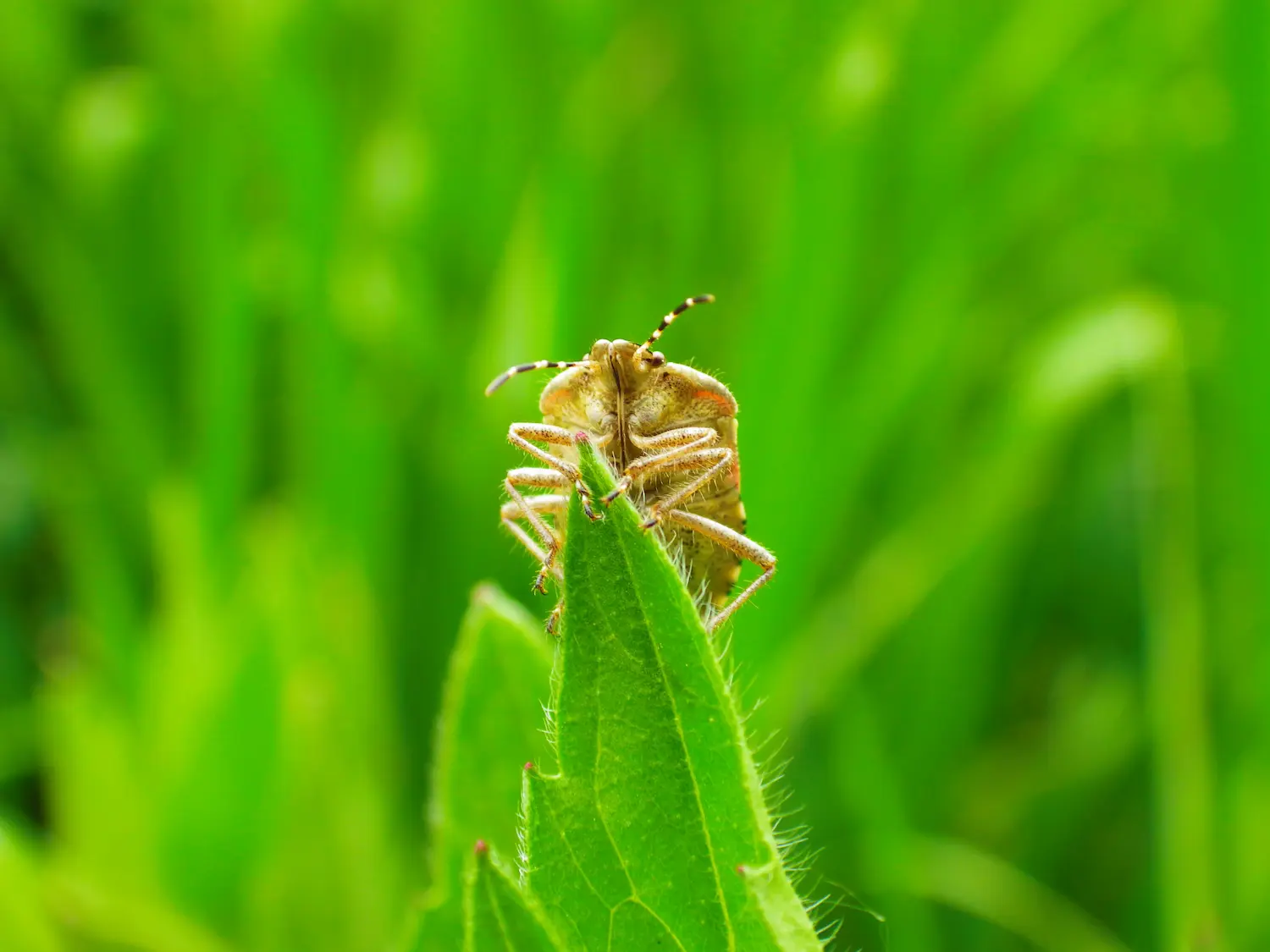
Warm weather and long growing seasons in Georgia and Florida can also create favorable conditions for insects that feed on turf. Chinch bugs, armyworms, sod webworms, mole crickets, and other lawn pests can contribute to thinning grass, brown patches, and other visible turf damage.
Rocket Pest Control provides professional lawn insect control based on the pest activity, season, and conditions found in your lawn. Our technicians evaluate the turf, identify signs of insect activity, and recommend treatment as part of a broader lawn care plan.
Common Lawn-Damaging Insects
Chinch Bugs
Chinch bugs are a common turf pest in warm climates and can be especially damaging to St. Augustine grass. They feed on grass blades and stems, which may lead to yellowing, browning, or thinning areas that can resemble drought stress.
Armyworms
Armyworms are caterpillars that feed on grass blades and may move through lawns in groups. Heavy feeding can cause rapid thinning or brown areas when populations become large.
Sod Webworms
Sod webworm larvae feed on grass blades and often hide in the thatch layer during the day. Activity may appear as small, irregular brown or thinning patches across the lawn.
Mole Crickets
Mole crickets tunnel through soil near the turf surface and can disturb grass roots as they move and feed. Signs may include loose soil, raised tunnels, thinning turf, or areas that feel soft underfoot.
Trust Your Local Lawn Care Services
Click below to get a FREE custom lawn care quote.
Rocket Pest is offering free quotes to clients looking to finally rid their homes of unwanted guests. Fill out the form below and a pest specialist will contact you shortly!
"*" indicates required fields
What Lawn Insect Control Services Include
Professional lawn insect control starts with understanding what is affecting the turf. Damage caused by insects can sometimes resemble drought, disease, irrigation problems, or other lawn conditions, so proper identification is an important first step.
Depending on the lawn and pest activity, service may include:
- Property Assessment: Our technicians inspect the turf for visible damage, insect activity, and conditions that may be contributing to the problem.
- Pest Identification: Identifying the insect helps determine which areas should be treated and when treatment is most appropriate.
- Targeted Treatment: Applications are selected based on the pest species, level of activity, and condition of the lawn.
- Seasonal Prevention: Preventative applications may be recommended for certain pests based on seasonal activity and the lawn care program.
- Ongoing Monitoring: Lawn conditions can change throughout the year, so recurring service helps our technicians watch for new activity and adjust treatment when needed.
Our Integrated Pest Management Approach
Rocket Pest Control uses Integrated Pest Management principles when addressing lawn pests. This approach combines identification, monitoring, targeted treatment, and lawn-care practices designed to reduce the conditions that support pest activity.
Rather than treating every lawn the same way, our technicians consider the pest, season, turf condition, and level of activity before recommending treatment.
Year-Round Lawn Insect Control in Georgia & Florida
Different lawn insects become active at different times of the year, which means pest pressure can change as temperatures, rainfall, and turf conditions change.
Rocket Pest Control’s professional lawn care programs combine lawn insect control with services such as fertilization, weed control, and disease management based on the needs of your property.
Seeing signs of insect damage in your lawn? Contact Rocket Pest Control today for a free service quote.
Back to Lawn Care ServicesFAQs
How do I know if my lawn has an insect problem or a different issue (like fungus or drought stress)?
The key is looking for specific signs that point to insect activity. With chinch bugs, you’ll often see damage in the sunniest, hottest parts of your lawn first, especially along sidewalks and driveways. Armyworm and webworm damage often shows ragged, chewed grass blades if you look closely.
However, the best way to know for certain is to have a professional inspection.
How often should I have my lawn treated for insects?
Generally, lawns in Georgia and Florida benefit from treatments every six to eight weeks throughout the active growing season.
What's the difference between your professional lawn insect control services and the products I can buy at the store?
Store-bought products can provide some level of pest control, but they have significant limitations compared to professional services. Professional-grade products are often more effective than consumer products, and effective pest control requires accurate identification and targeted treatment.
Can lawn insects spread to my neighbors' yards or come from their property to mine?
Absolutely. Lawn insects don’t recognize property lines, and they move freely between yards in search of food and suitable habitat. If your neighbor has an untreated pest problem, those insects can easily migrate to your lawn (and vice versa).