Lawn Care 101: New Homeowner’s Guide to Lawns
Proudly Serving Georgia & Florida
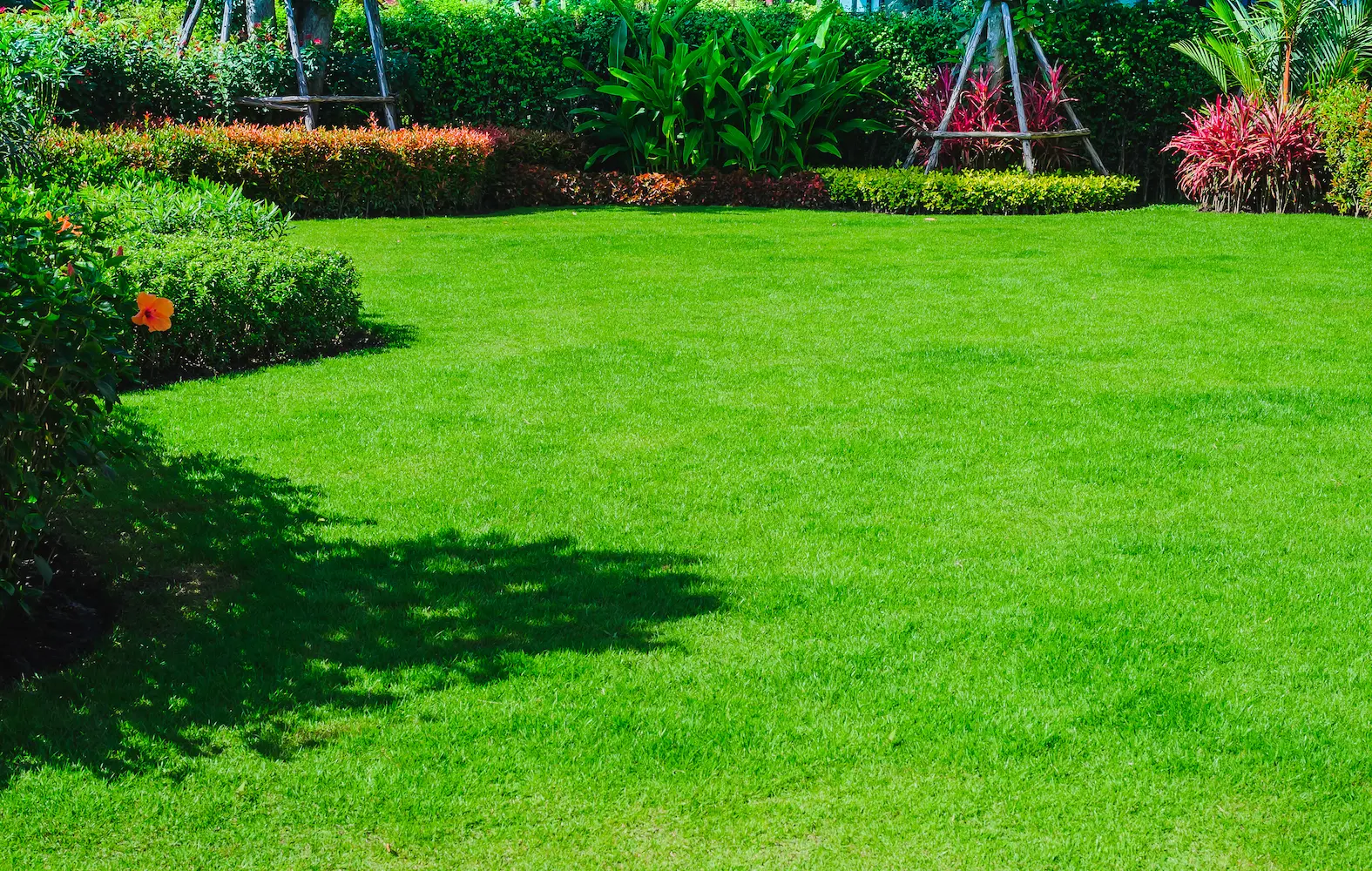
Taking care of a lawn for the first time can feel overwhelming. Watering, mowing, weeds, pests, fertilization, and seasonal changes all affect how your turf looks and performs throughout the year.
The good news is that you do not need to learn everything at once. Start by understanding your grass, soil conditions, irrigation, and the common lawn challenges in your area. From there, you can build a lawn care routine that makes sense for your property.
Rocket Pest Control provides professional lawn care services in Georgia and Florida. Our technicians can evaluate your turf and recommend treatments based on the conditions found in your lawn.
Seasonal Lawn Care for New Homeowners
Your lawn’s needs change throughout the year. Temperature, rainfall, turf growth, weeds, insects, and disease pressure can all vary by season, so lawn care should adjust along with those conditions.
Before building your lawn care routine, consider:
- What type of grass do you have? Different turf varieties have different mowing, watering, fertilization, and seasonal care needs.
- Does your property have irrigation? Understanding how and when your lawn is watered can help prevent both drought stress and excess moisture.
- How much sun does the lawn receive? Shade, full sun, and changing conditions around trees or structures can affect turf growth.
- What is the soil like? Compacted soil, drainage problems, and soil conditions can influence how well grass absorbs water and nutrients.
- How is the lawn used? Pets, children, foot traffic, and outdoor activities can contribute to compaction and turf wear.
- Are there HOA requirements? Some communities have landscaping or lawn-maintenance standards homeowners need to follow.
What Is a Common Lawn Care Mistake?
One common mistake is assuming that more fertilizer, more water, or more frequent treatment automatically produces a healthier lawn.
Too much fertilizer can damage turf, while overwatering may encourage shallow roots, excess moisture, or certain lawn diseases. The right amount and timing depend on the grass type, season, weather, and conditions present.
Common Lawn Care Practices
A healthy lawn depends on several maintenance practices working together rather than one treatment alone.
- Watering: Water based on weather, turf needs, and soil conditions rather than relying on the same schedule year-round.
- Mowing: Maintain an appropriate mowing height for your grass type and avoid removing too much of the blade at once.
- Soil Health: Soil conditions, drainage, compaction, and nutrient availability can all affect turf performance.
- Fertilization: Fertilizer can provide nutrients that support turf growth and color, but application rates and timing should match the needs of the lawn.
- Weed Control: Pre-emergent and post-emergent treatments may be used to manage weeds depending on the species and season.
- Lawn Insect Control: Chinch bugs, armyworms, sod webworms, grubs, and other pests can damage turf when populations become established.
- Disease Management: Brown patches, thinning turf, and discoloration may be associated with fungal disease, irrigation problems, pests, or other conditions that need proper identification.
- Tree & Shrub Care: Proper tree and shrub care can help keep surrounding landscaping healthy without competing excessively with turf.
Trust Your Local Lawn Care Services
Click below to get a FREE custom lawn care quote.
Lawn Care Basics Every Homeowner Should Know
Follow the ⅓ Rule When Mowing
A helpful mowing guideline is the ⅓ rule: avoid removing more than one-third of the grass blade during a single mowing.
Cutting too much at once can stress the turf and reduce its ability to recover. Proper mowing height varies by grass type, so knowing which turf variety you have is important.
Water Based on Lawn Conditions
There is no single watering schedule that works for every lawn. Rainfall, soil type, temperature, shade, irrigation coverage, and grass variety all affect how much water turf needs.
Watch for signs of both drought stress and excess moisture, and adjust irrigation as conditions change throughout the season.
Watch for Lawn Pests
Lawn insects can damage grass by feeding on blades, roots, or other plant tissue. Common problems in warm climates may include chinch bugs, armyworms, sod webworms, and grubs.
Because pest damage can sometimes resemble drought, disease, or nutrient problems, proper identification is important before treatment begins.
Manage Weeds Early
Weeds compete with turf for sunlight, moisture, nutrients, and space. Some weeds can be reduced through healthy turf maintenance, while others may require targeted pre-emergent or post-emergent treatment.
The right approach depends on the weed species, season, and condition of the lawn.
Pay Attention to Soil Compaction
Heavy foot traffic, pets, equipment, and naturally dense soil can contribute to compaction. Compacted soil may make it harder for water, air, and nutrients to move through the root zone.
If compaction is affecting turf health, professional lawn aeration may help improve soil conditions.
When Professional Lawn Care Can Help
New homeowners do not need to diagnose every brown patch, weed, insect, or soil problem on their own. When lawn issues continue despite regular maintenance, a professional evaluation can help identify what is affecting the turf and which treatment options make sense.
Rocket Pest Control provides professional lawn care services in Georgia and Florida, including fertilization, weed control, lawn insect control, disease management, aeration, and other seasonal services.
Ready for help building a healthier lawn? Contact Rocket Pest Control today to learn more about our lawn care programs.
Back to Lawn Care Services