How to Get Rid of Bats
Proudly Serving South Carolina | North Carolina | Georgia | Florida
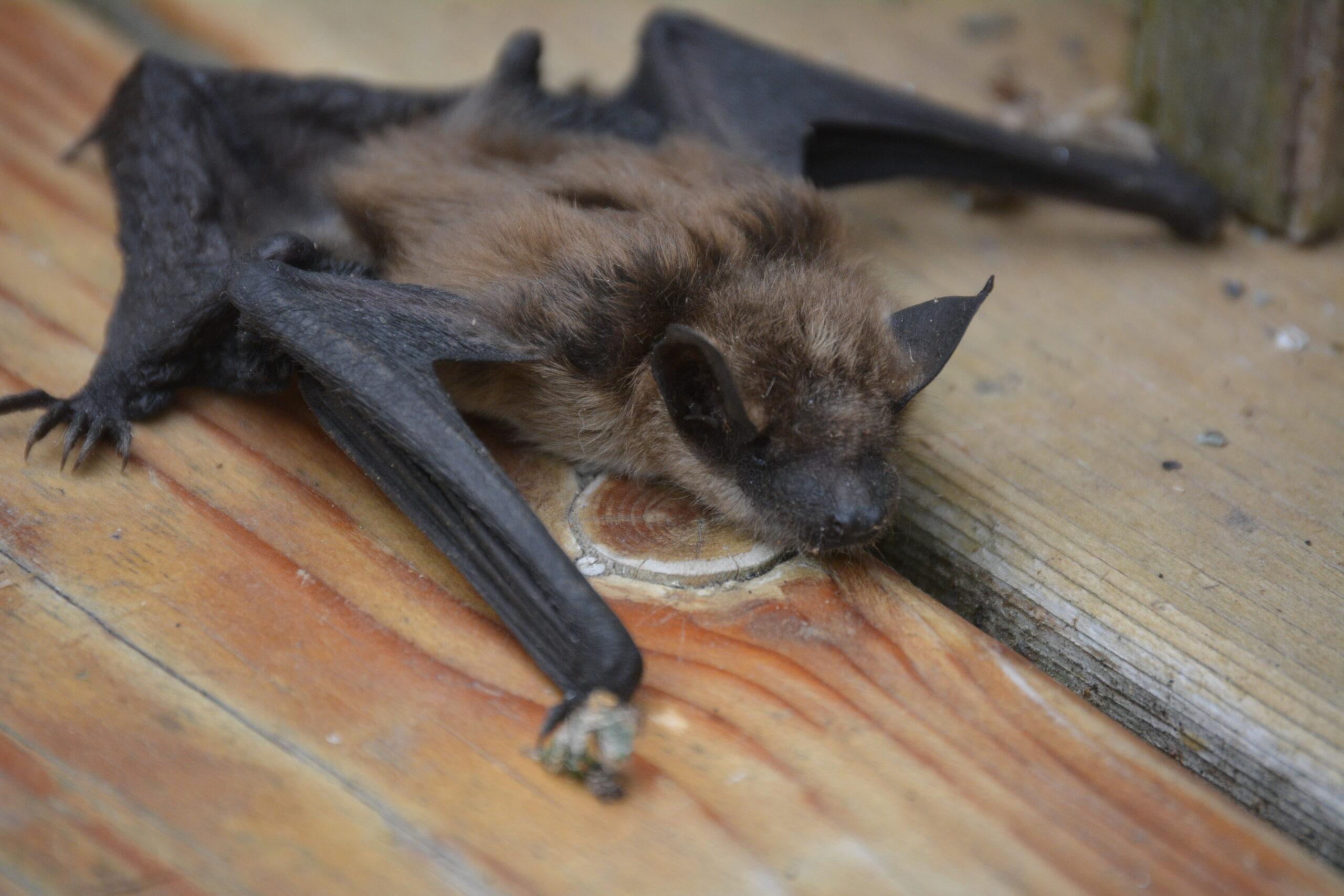
If bats are living in your attic, walls, roofline, or another part of your home, simply sealing the opening is not enough. Bats need to be allowed to leave the structure before their active entry points are permanently closed.
Professional bat removal typically relies on exclusion: identifying where bats are entering, installing one-way devices that allow them to exit, and sealing the openings after the bats have left.
Because bats are protected wildlife and exclusion rules can vary by state and season, timing matters. Bat maternity seasons may restrict when colonies can legally or safely be excluded because young bats may not yet be able to fly.
Signs You May Have Bats in Your Home
Bats often roost in attics, wall voids, rooflines, chimneys, and other quiet, protected spaces. You may not see the animals themselves, but there are several signs that can point to bat activity.
- Sounds: Chirping, scratching, or movement coming from the attic, walls, or roofline.
- Guano: Small droppings collecting below a roost or entry point.
- Staining: Dark or greasy marks around openings bats repeatedly use.
- Evening Activity: Bats emerging from the same area of the structure around dusk.
- Odors: Persistent odors associated with an established roost or accumulated droppings.
Bat droppings should be handled carefully, especially when there is a large accumulation. Disturbing material contaminated with bat droppings can increase exposure to airborne fungal spores associated with histoplasmosis.
How Does Professional Bat Removal Work?
Bat removal is different from trapping or exterminating many other nuisance animals. A typical bat exclusion process may include:
- Inspection: The property is inspected to identify active roosting areas and the openings bats are using to enter and exit.
- Identify Secondary Openings: Other accessible gaps around the roofline, vents, soffits, siding, or exterior may be identified for repair or sealing.
- Install Exclusion Devices: One-way devices are placed over active exit points so bats can leave the structure but cannot return through the same opening.
- Confirm the Bats Have Left: The exclusion devices remain in place long enough to allow the bats to exit before the openings are permanently sealed.
- Seal Entry Points: Once the exclusion is complete, accessible openings are repaired or sealed to help reduce future bat entry.
- Cleanup When Needed: Areas affected by guano or nesting material may require additional cleanup or remediation depending on the extent of the activity.
Why You Shouldn’t Seal Bats Inside Your Home
Finding an entry point and immediately closing it can make the problem worse if bats are still inside. Trapped bats may move deeper into the structure or find their way into living areas while searching for another exit.
There is also an important seasonal concern. During maternity periods, young bats may be unable to fly. Excluding adult bats at the wrong time can leave pups trapped inside the building. The exact dates and requirements vary by state, which is why bat exclusion should follow applicable wildlife regulations. Florida, for example, restricts routine bat exclusion during its April 16–August 14 maternity season, while Georgia advises avoiding exclusion from April 1–July 31 except under specific conditions.
What Should You Do if a Bat Gets Inside Your House?
A single bat inside a living area is different from a colony roosting in an attic or wall. Keep people and pets away from the bat and avoid touching it with bare hands.
If there is any possibility that someone had direct contact with the bat, was bitten or scratched, or may have been exposed without realizing it, contact your local health department or healthcare provider before releasing the bat. Bat bites can be very small and may not always be noticed.
If there was clearly no potential human or pet exposure, a wildlife professional can help determine the appropriate way to remove the bat and inspect for possible entry points.
How Do Bats Get Into Attics and Walls?
Bats can use surprisingly small existing openings in a structure. Common access points may include:
- Gaps around rooflines and soffits.
- Loose or damaged vents.
- Openings around flashing or siding.
- Chimneys or uncapped openings.
- Small gaps where building materials meet.
Unlike rodents, bats generally do not chew their way into buildings. They take advantage of openings that already exist, which is why identifying and properly sealing those access points is such an important part of bat exclusion.
Professional Bat Removal & Exclusion
If bats are roosting in your home or business, Rocket Pest Control can inspect the property, identify potential entry points, and recommend a removal and exclusion approach based on the conditions present and applicable wildlife regulations.
Our wildlife removal services are available throughout Florida, Georgia, North Carolina, and South Carolina.
Hearing or seeing bats around your home? Contact Rocket Pest Control today for a free estimate.
Back to Wildlife Removal Services