
Signs You Might Have Termites: How to Spot an Infestation Before It’s Too Late
Proudly Serving South Carolina | North Carolina | Georgia | Florida
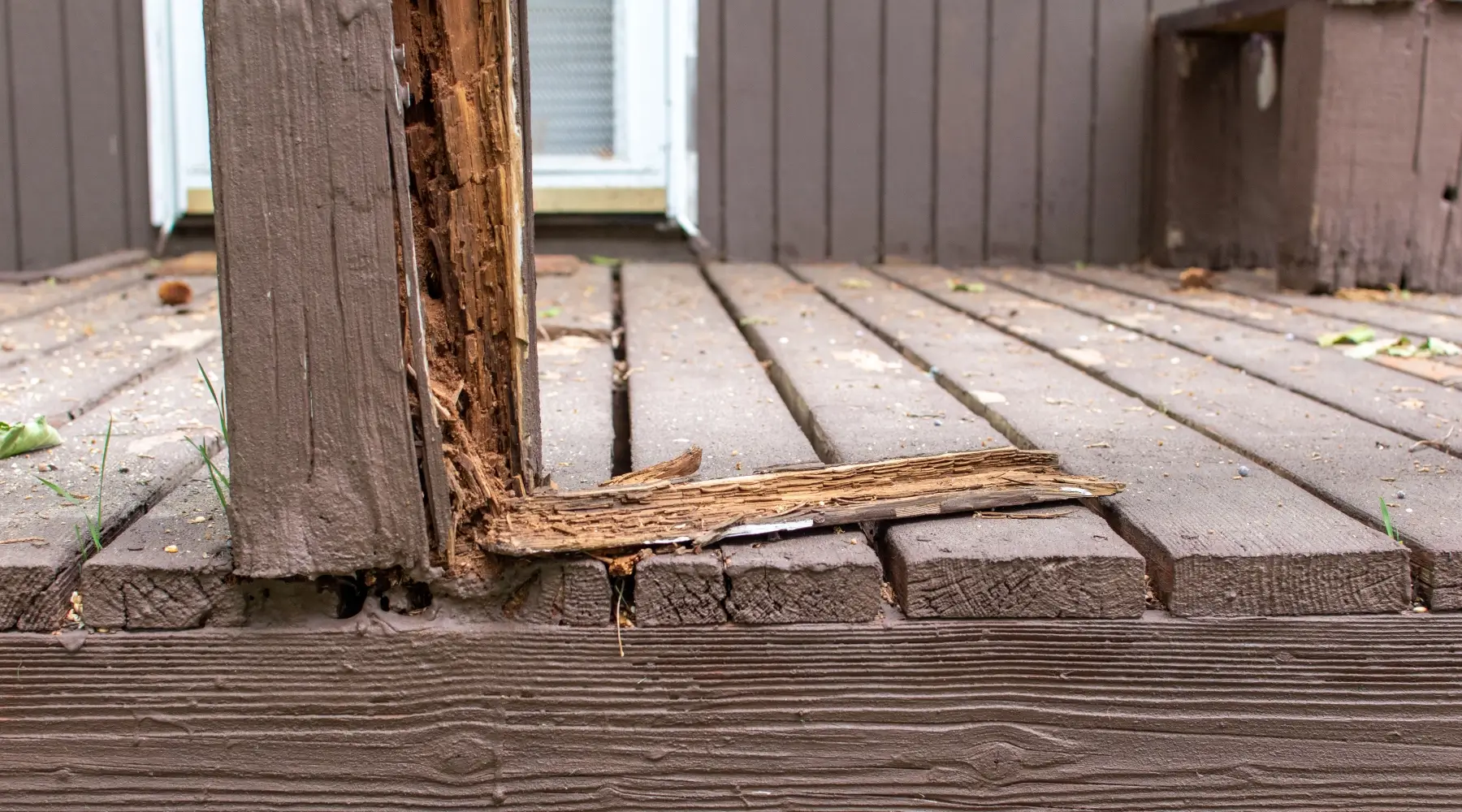
Termites are among the most destructive pests that can invade your home. Just because you can’t see them doesn’t mean they aren’t silently feasting on your home’s framework right now. This makes early detection and prevention absolutely essential for protecting your most valuable investment. Catching a termite infestation in its earliest stages can save you thousands of dollars in repair costs.
The financial impact of termite damage is actually staggering. Termites are responsible for over $5 billion in property damage each year in the United States alone. And here’s the critical part: this cost is typically not covered by standard homeowner’s insurance policies.
These relentless insects work around the clock (24 hours a day, 7 days a week), never taking a break from their mission to consume wood and cellulose materials. It’s no wonder they can cause such devastating damage in a relatively short period of time.
11 Signs of a Termite Infestation
- Discarded Wings: Finding small, translucent wings often gathered on windowsills, near baseboards, or around door frames is a classic sign of termite activity. These wings are shed by reproductive termites (swarmers) after they find a suitable location to establish a new colony.
- Damage to Floors, Walls, and/or Furniture: Termite damage often creates distinctive maze-like patterns in wood. You may notice warped or damaged flooring, walls that appear water-damaged, or furniture that seems weakened or hollowed out.
- Pinhole-Sized Holes in Drywall: Small holes in your drywall that resemble tiny pinholes can indicate termites have been tunneling through. These entry and exit points are a clear sign of active infestation.
- Mud Tubes: Pencil-thin mud tubes found on your home’s foundation, exterior walls, plumbing pipes, or other surfaces are a common sign of subterranean termite activity.
- Bubbling Paint or Peeling Wallpaper: When termites feed on the wood beneath painted surfaces or wallpaper, moisture builds up and causes the covering to bubble, peel, or become discolored.
- Swarms: Witnessing swarms of winged termites inside your home or near its exterior is an urgent warning sign.
- Squeaky or Buckling Floors: Floorboards that have become excessively squeaky or floors that are beginning to. Termite swarm season varies by species and location, but swarms are common during warmer months. buckle or sag may indicate termite damage to the underlying wooden structure.
- Stuck Windows or Doors: When termites damage the wood around window and door frames, the resulting warping can make them difficult to open or close properly.
- Droppings/Frass: Drywood termites may leave behind small piles of hard, pellet-like droppings called frass beneath infested wood or near small kick-out holes.
- Strange Sounds: Faint clicking or rustling sounds coming from within your walls.
- Other Hidden Damage: Many homeowners first learn of termite damage when they begin renovation projects that expose previously hidden structural elements.

What Do Termite Droppings Look Like?
Drywood termite droppings, called frass, are small, hard pellets that may collect beneath infested wood or near tiny kick-out holes.
- Color: Ranges from light beige to dark brown, often matching the color of the wood being consumed.
- Shape: Tiny, oval-shaped pellets with six concave sides and rounded ends.
- Size: About 1 millimeter in length, roughly the size of a grain of sand.
- Texture: Dry, granular, and wood-like in consistency.
If you discover what you suspect to be termite droppings, schedule a professional inspection to determine whether termite activity is present.
What Are Mud Tubes?
Mud tubes are tunnel-like structures made from soil, wood particles, and termite saliva. They typically appear as pencil-width lines running along foundation walls, support beams, floor joists, or any surface that provides termites access from the soil to their food source.
Subterranean termites require moisture to survive, and their mud tubes serve several critical purposes:
- Protection from predators and environmental threats.
- Maintaining humidity levels that keep termites from drying out.
- Creating safe passage between the underground colony and above-ground food sources.
What Sounds Do Termites Make?
While termites are often called “silent destroyers,” they actually do make sounds:
- Clicking or Tapping: Soldier termites bang their heads against tunnel walls or shake their bodies when they sense danger. This produces a faint clicking or tapping sound that serves as an alarm signal to the colony.
- Rustling or Papery Sounds: When termites are actively eating, you may hear soft rustling or crunching sounds coming from inside your walls. This is the sound of thousands of tiny mandibles working to consume wood.
You Can Protect Your Home With Professional Termite Prevention
Although recognizing these warning signs can help you spot an infestation, the best way to prevent termite damage is to have an active inspection schedule and protection plan in place.
Early termite damage often starts in hidden areas like crawl spaces, attics, or behind walls. By the time visible signs appear in living spaces, the infestation may have been active for months or even years. This is why regular inspections are so crucial: they can catch what the untrained eye might miss.
So don’t wait until you see damage to take action. Get the peace of mind that comes from knowing your investment is protected from these hungry, persistent pests.
At Rocket Pest Control, we are proud to offer comprehensive termite inspections and treatment solutions. One of our licensed pest management professionals will thoroughly inspect your home, identify any active termite activity, assess potential risk areas, and develop a customized treatment plan that fits your specific needs and budget.
Don’t Wait Until It’s Too Late
When it comes to protecting your home from termites, experience and expertise matter. Termites never stop working, and neither should your termite protection.
We’re here to help, whether you’ve spotted warning signs or simply want the security of knowing your home is safe. Call Rocket Pest Control today for a FREE quote and take the first step toward protecting your home from destructive termites.