
Where Do Rodents Go in the Winter?
Proudly Serving South Carolina | North Carolina | Georgia | Florida
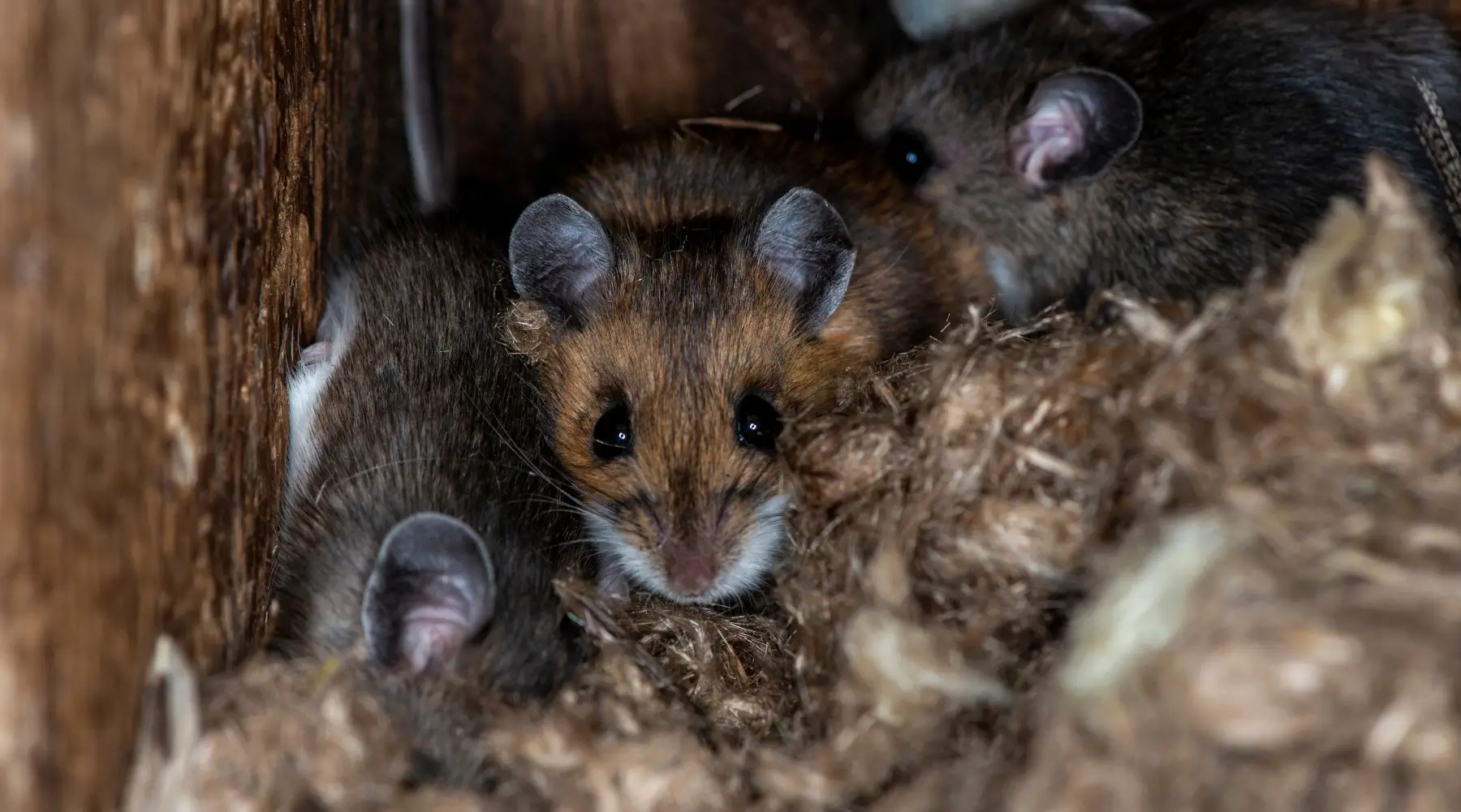
When temperatures drop, rats and mice don’t hibernate. They remain active and look for reliable food, warmth, and shelter. In colder parts of the Southeast, that can bring rodents closer to homes and businesses, where attics, crawl spaces, walls, garages, and other protected areas provide ideal shelter.
Even in warmer Southern climates, rodents may take advantage of structures that provide easy access to food, water, and protection from changing weather conditions.
Common Habitats for Rodents in the Winter
When temperatures drop, rats and mice search for spaces that provide warmth, shelter, and a steady food supply. Where they settle often depends on the type of rodent and the structure surrounding your home.
Indoor Hiding Spots
- Attics and roof spaces, which are especially attractive to climbing rodents like roof rats
- Basements and crawl spaces
- Inside walls
- Garages and sheds
- Under and behind appliances, cabinets, and other protected areas where house mice may nest
Outdoor Hiding Spots
- Underground burrows and areas around foundations, which are more commonly associated with Norway rats
- Outbuildings, sheds, and other protected structures
Why Do You Notice More Rats and Mice in the Winter?
It may seem like rodent populations increase during winter, but rats and mice are often simply more noticeable because they are moving closer to homes and other structures.
During warmer months, rodents may find plenty of food, water, and shelter outdoors. As conditions change, protected indoor spaces become increasingly attractive, which can increase the chances of finding rodents or signs of rodent activity inside your home.
Do Rats and Mice Hibernate During the Winter?
No. Rats and mice remain active throughout the year rather than entering a dormant state during winter.
During colder weather, rodents may adjust where and when they forage, but they continue searching for food, water, and shelter. Rodents that move indoors can remain active throughout the season, which is why homeowners may continue to hear noises or notice other signs of activity even during the coldest months.
Signs That Rodents Have Moved Into Your Home
Watch for these common signs that mice or rats may have taken up residence in your home:
- Droppings
- Gnaw marks
- Scratching or scurrying noises
- Nesting materials
- Tracks or rub marks
- Unusual odors
- Damaged food packaging
How to Keep Rats and Mice Out This Winter
The best way to prevent a winter rodent problem is to make your home difficult to enter and less attractive once rodents arrive. Seal gaps and openings around the exterior, keep food and garbage secured, reduce clutter and potential nesting materials, and address moisture issues around the home.
For more prevention tips, read our guide on how to keep mice and rats out of your home.
When Should I Call a Professional?
Consider calling a professional if you regularly find droppings or gnaw marks, hear scratching in walls or ceilings, see rodents inside your home, or continue noticing activity after taking preventive measures.
A professional inspection can help determine how rodents are getting inside, where they may be nesting, and what needs to be addressed to prevent continued activity.
Winter Rodent Control for Your Home
Rats and mice can become a problem in Southeastern homes throughout the winter, especially when they find easy access to food, shelter, and protected nesting areas.
At Rocket Pest Control, our experienced team can inspect your home for signs of rodent activity, identify potential entry points, and recommend a customized rodent control plan based on what we find.
Contact Rocket Pest Control today to schedule a rodent inspection and protect your home from unwanted activity this winter and beyond.