Is Crawl Space Encapsulation Worth It?
Proudly Serving South Carolina | North Carolina | Georgia | Florida
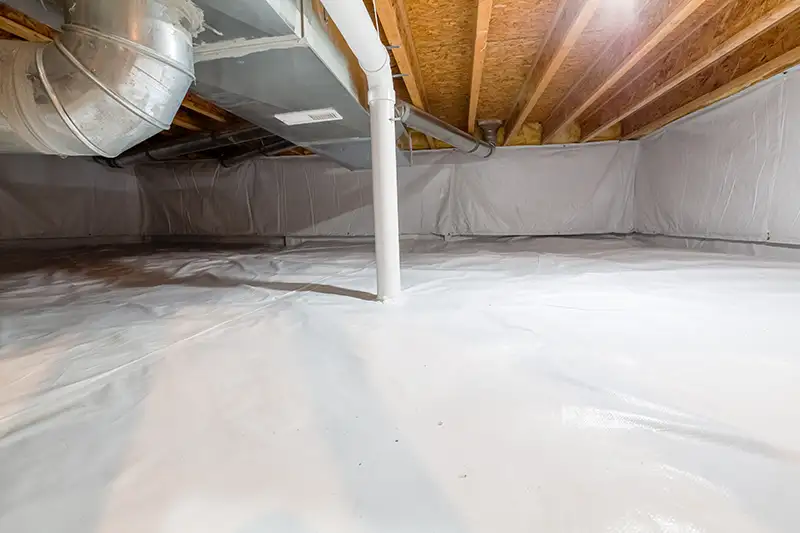
Crawl space encapsulation can be worth the investment when excess humidity, ground moisture, or recurring damp conditions are affecting the space beneath your home. By separating the crawl space from moisture in the soil and outside air, encapsulation can help create more stable conditions and reduce moisture-related problems over time.
However, not every crawl space needs full encapsulation. Some homes may benefit from a vapor barrier, dehumidification, drainage improvements, or a combination of moisture-control solutions instead.
A professional crawl space evaluation can help determine which approach makes the most sense for the conditions in your home.
What Is Crawl Space Encapsulation?
Crawl space encapsulation involves installing a durable moisture barrier across the crawl space floor and walls and sealing vents, seams, and other openings where outside moisture may enter.
Depending on the conditions in the crawl space, encapsulation may also be paired with a dehumidifier or other moisture-control measures to help maintain more consistent humidity levels.
The goal is to reduce moisture entering the crawl space and create an environment that is less favorable for mold growth, wood deterioration, and moisture-loving pests.
Does Crawl Space Encapsulation Reduce Humidity?
Yes, encapsulation can help reduce crawl space humidity by limiting moisture from the ground and humid outside air. In some homes, a dehumidifier may also be recommended to help maintain appropriate humidity levels after the space is sealed.
What Does Crawl Space Encapsulation Include?
The exact process depends on the crawl space and the moisture problems present, but professional encapsulation may include:
- Inspection and Assessment: The crawl space is evaluated for moisture, humidity, drainage concerns, visible damage, and other conditions that may need to be addressed.
- Preparation: Debris or materials that interfere with installation are removed and the space is prepared for the moisture-control system.
- Sealing: Vents, seams, penetrations, and other openings may be sealed to help limit humid outside air entering the crawl space.
- Moisture Barrier Installation: A durable vapor barrier is installed across the floor and, with full encapsulation, extended and sealed along the crawl space walls and other surfaces as appropriate.
- Humidity Control: A crawl space dehumidifier may be recommended when additional humidity management is needed.
Can You Encapsulate a Wet Crawl Space?
A crawl space with moisture problems can often be encapsulated, but active leaks, drainage problems, or standing water should be addressed first. Encapsulation works best when the source of bulk water has been corrected before the space is sealed.
Crawl Space Encapsulation vs. Vapor Barrier
Both options help manage ground moisture, but they differ in how much of the crawl space is covered and sealed.
- Vapor Barrier: Typically covers exposed soil to help reduce water vapor entering the crawl space from the ground.
- Encapsulation: Uses a more comprehensive moisture barrier system that generally covers the floor and extends up crawl space walls with seams and penetrations sealed.
- Humidity Control: Full encapsulation may also include sealing vents and adding dehumidification when needed.
- Which Is Right for You? A vapor barrier may be sufficient for some crawl spaces, while persistent humidity or more extensive moisture problems may justify full encapsulation.
When Is Crawl Space Encapsulation Worth It?
Encapsulation may be worth considering when your crawl space has recurring moisture or humidity problems that simpler measures are not adequately controlling.
Common situations include:
- Persistent high humidity in the crawl space.
- Ground moisture entering through exposed soil.
- Recurring condensation or damp conditions.
- Moisture-related wood deterioration.
- Mold or fungal growth associated with excess moisture.
- Repeated pest activity in damp crawl space conditions.
- A need for more comprehensive moisture control than a basic ground vapor barrier provides.
Encapsulation may not be necessary when moisture conditions can be adequately controlled through drainage repairs, leak correction, a vapor barrier, or dehumidification alone.
Benefits of Controlling Crawl Space Moisture
Managing crawl space moisture can help protect wood and other building materials, reduce conditions that support mold growth, and make the area less attractive to moisture-loving pests.
The best results come from identifying where the moisture is coming from and choosing a solution that addresses those specific conditions rather than automatically applying the same system to every home.
Find the Right Crawl Space Moisture Solution
Rocket Pest Control can evaluate the moisture and humidity conditions in your crawl space and explain whether encapsulation, a vapor barrier, dehumidification, or a combination of solutions is appropriate for your home.
Wondering if crawl space encapsulation is worth it for your property? Give us a call or contact Rocket Pest Control online for a consultation.
Back to Crawl Space Moisture Control Services