How to Get Rid of Squirrels
Proudly Serving South Carolina | North Carolina | Georgia | Florida
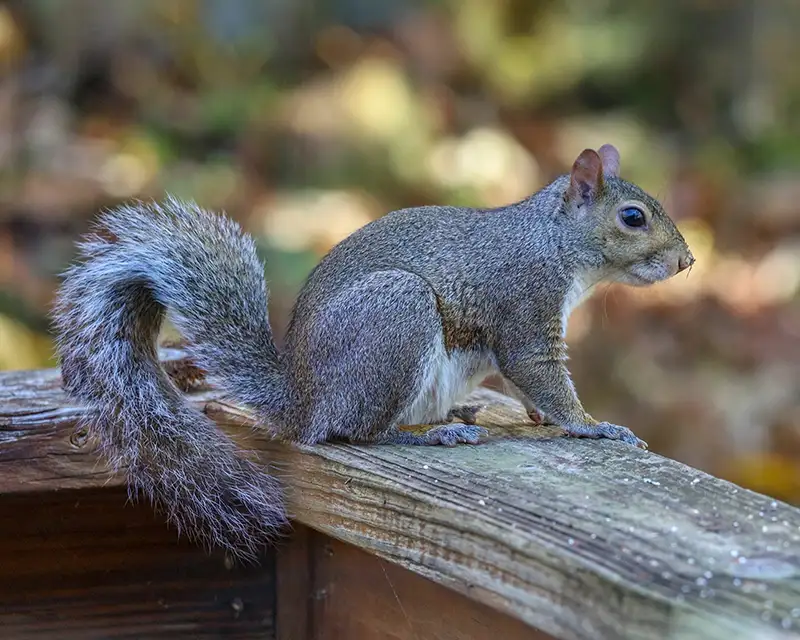
Squirrels can become a serious nuisance when they move from trees and yards into attics, rooflines, vents, or other parts of a home. Once inside, they may damage insulation, wood, vents, and electrical wiring while building nests or creating pathways through the structure.
Getting rid of squirrels usually requires two things: removing the animals and addressing the openings that allowed them inside. Simply removing a squirrel without correcting the access point may leave the property vulnerable to repeat activity.
Rocket Pest Control provides professional wildlife removal and exclusion services designed to address both the immediate squirrel problem and the conditions contributing to it.
Why Are Squirrels Getting Into Your Home?
Squirrels are excellent climbers and may use trees, fences, utility lines, or other structures to reach the roof of a home. Once there, existing gaps or damaged areas can provide access to protected nesting spaces.
Common squirrel entry points may include:
- Damaged or loose soffits.
- Roofline gaps.
- Open or damaged vents.
- Gaps around fascia boards.
- Chimneys or uncapped openings.
- Areas where building materials have deteriorated or separated.
Signs You May Have Squirrels in Your Attic
Squirrels are often active during the daytime, so homeowners may hear or notice signs of activity in the morning or afternoon.
Common signs include:
- Scratching or Scurrying: Movement in attics, ceilings, walls, or roof areas.
- Chewing Damage: Gnaw marks on wood, vents, wiring, insulation, or stored materials.
- Droppings: Waste found near nesting or activity areas.
- Nesting Material: Leaves, insulation, paper, or other material gathered into a protected space.
- Exterior Damage: Openings around soffits, vents, roofing, or other areas squirrels may be using to enter.
- Repeated Sightings: Squirrels frequently traveling along the same roofline or entering the same opening.
How Does Professional Squirrel Removal Work?
Professional squirrel removal begins with determining where the animals are living, how they are entering, and whether additional squirrels or young may still be inside the structure.
Depending on the conditions present, service may include:
- Inspection: The property is evaluated for squirrel activity, nesting areas, entry points, and visible damage.
- Removal: Appropriate wildlife removal methods are selected based on the location and activity found.
- Confirm the Structure Is Clear: Before permanent repairs are made, it is important to determine that squirrels are no longer using the opening and that young animals have not been left behind.
- Exclusion: Accessible entry points may be repaired or sealed to help prevent squirrels from using the same openings again.
- Property Recommendations: Our technicians may identify additional areas around the home that could provide future wildlife access.
How Do You Keep Squirrels Away?
Squirrel prevention focuses heavily on exclusion. Because squirrels can climb and take advantage of small openings around the roofline, keeping them out often means maintaining vulnerable areas of the structure.
Steps that may help reduce squirrel activity include:
- Repair Entry Points: Address damaged vents, soffits, fascia, roof gaps, and other accessible openings.
- Trim Tree Limbs: When practical, trim branches that provide easy access to the roof.
- Secure Chimneys and Vents: Use appropriate covers or screening where needed.
- Manage Food Sources: Bird seed, pet food, fallen nuts, and other food sources may encourage squirrels to remain around the property.
- Monitor the Roofline: Watch for repeated squirrel activity near the same area of the home.
Repellents and deterrents may provide temporary relief in some situations, but they do not correct structural openings that squirrels are already using to enter a building.
Why Squirrel Exclusion Matters
Removing a squirrel does not automatically prevent another one from entering. If an opening remains accessible, the same animal or another squirrel may eventually use it.
Professional exclusion focuses on the parts of the structure that allowed wildlife access in the first place. This may include securing vents, repairing damaged materials, and sealing gaps after the animals have been safely removed.
Combining removal with exclusion provides a more complete approach to resolving recurring squirrel activity.
Professional Squirrel Removal in the Southeast
If squirrels are living in your attic or another part of your home or business, Rocket Pest Control can inspect the property, identify areas of activity, and recommend an appropriate removal and exclusion plan.
Our wildlife removal services are available throughout Florida, Georgia, North Carolina, and South Carolina.
Hearing scratching or scurrying above your ceiling? Contact Rocket Pest Control today for a free estimate.
Back to Wildlife Removal Services