
German Cockroach Facts & Identification
Type: Cockroaches

Key Facts - German Cockroaches
- A highly unsanitary spreader of bacteria and filth, uniquely adapted to indoor human environments. German cockroaches can make people sick and trigger allergies and asthma.
- A few roaches can easily turn into a massive infestation quickly. These pests reproduce prolifically with one female creating up to 40 baby roaches every few weeks.
- Infestations can be hard to predict and prevent as they often hitchhike inside grocery bags, parcels, and used furniture or appliances.
- Highly common in most places in the Southeastern region. If you see “small roaches” in your home, there’s a good chance they’re German cockroaches.
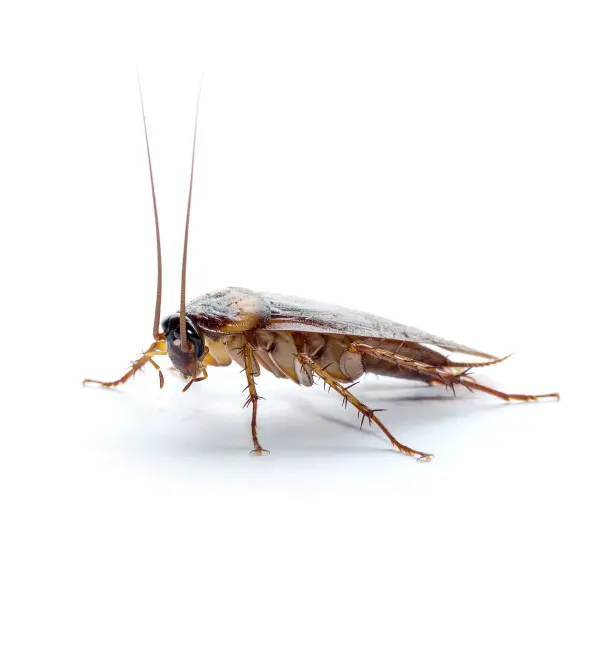
Table of Contents
What You Need to Know About German Cockroaches in the Southeast U.S.
These pests are the most common species of cockroach found worldwide and are a major concern in the Southeastern United States. Unlike other cockroach species that wander in from outdoors, German cockroaches live almost exclusively indoors. They especially thrive in warm, humid environments provided by kitchens and bathrooms.
Many homeowners feel a sense of embarrassment about having a German roach infestation, but you shouldn’t, as they’re difficult to prevent. An infestation can easily spread anywhere as these pests often hitchhike in on grocery bags, cardboard boxes, or used electronics.
Note: Seeing a German cockroach during daylight hours often indicates that their primary hiding spots are overpopulated, suggesting a significant infestation is already present.
How Concerned Should You Be About German Cockroaches (on a 1-10 Scale)??
1
2
3
4
5
6
7
8
9
10
About a 9. We understand a 9 might seem high for a pest that doesn’t destroy property or sting, but this rating reflects the difficulty of eliminating them and the health risks. Because they carry pathogens and reproduce faster than any other cockroach, they are considered a high-priority infestation that requires immediate professional intervention.
These are the primary concerns with German cockroaches:
- Health and Sanitation: German cockroaches are known to forage food in unsanitary areas, trafficking filth across food preparation surfaces, spreading bacteria such as Salmonella and E. coli.
- Allergen Issues: The presence of German cockroaches is a known trigger for year-round allergies and asthma, particularly in children, due to the proteins found in their droppings and shed skins.
- Rapid Population Growth: A single female can produce up to 40 offspring every few weeks. This exponential growth means a minor sighting can become a widespread infestation in a very short amount of time.
- Resilience to DIY Treatments: This species is notoriously resistant to many over-the-counter sprays. Standard retail “foggers” often fail to reach the deep crevices where they hide and can actually cause the colony to spread further into the home.
How to Identify German Cockroaches
How do you know it’s German cockroaches? They’re the “small roaches.”
They’re small, and tan or light brown in color. The most identifying feature is two dark, longitudinal stripes located on the pronotum (the shield-like segment behind the head). While they have wings, they rarely fly, preferring to run quickly when exposed to light.
Here are additional signs of German cockroaches:
- Fecal Spotting: Small, dark “pepper-like” specks in the corners of drawers, on top of doors, or around cracks in cabinetry.
- Oothecae (Egg Capsules): Small, brown, purse-shaped capsules often found in secluded areas.
- Activity in Damp Environments: They are most frequently spotted near sinks, dishwashers, and behind refrigerators.
Ready to get started?
Get a free quote today and see why homes and businesses across the Southeast trust Rocket Pest Control.
How to Get Rid of German Cockroaches
Eliminating German cockroaches is notoriously difficult because of their rapid reproduction and ability to hide in inaccessible areas.
Many people try sprays and roach baits, and while they can reduce the problem, they don’t often solve it completely. Successfully eliminating a German roach infestation – especially in multi-family housing environments like apartments – often requires the help of a professional.
Can You Prevent German Cockroaches?
While these pests are often introduced by accident, you can make your home less attractive to them by following these steps:
- Eliminate Moisture: Fix leaky faucets and sweating pipes under sinks. German cockroaches require a water source and are often found near plumbing.
- Sanitize Kitchens: Wipe down counters nightly and avoid leaving dirty dishes in the sink overnight. Pay special attention to grease buildup under and behind the stove.
- Store Food Properly: Use airtight plastic or glass containers for pantry items like cereal, crackers, and flour.
- Inspect Incoming Items: Carefully check cardboard boxes, grocery bags, and used furniture or appliances before bringing them into your home.
Call Rocket Pest Control for Fire Ant Control You Can Trust
A German cockroach infestation doesn’t have to be a long-term problem. At Rocket Pest Control, we specialize in cockroach extermination in South Carolina, North Carolina, Georgia, and Florida.
When you work with us, here’s what you can expect:
- Inspection: A thorough assessment of your property by a licensed professional.
- Treatment: Targeted state-of-the-art, industry-best treatments that provide results you can count on.
- Prevention: Measures to stop new colonies from forming.
- Follow-Up: For long-lasting results.
Give us a call today if you have questions about our professional fire ant control services, or if you’re ready to schedule an inspection!

German Cockroach FAQs
Where do German cockroaches live?
German cockroaches flourish in the warm, humid climate of the Southeast. They are hitchhikers, often entering homes via grocery bags, cardboard boxes, or used appliances.
Once inside, they congregate in “voids”—the dark spaces behind cabinets, under appliances, and inside motor housings where it is warm and moist.
What do German cockroaches eat?
They are extreme scavengers. While they prefer starches, sweets, and grease, they will eat almost anything in a pinch, including soap, glue, toothpaste, and even the bindings of books.
What is the German cockroach life cycle?
The life cycle consists of the egg, nymph, and adult stages. A single female carries an egg case (ootheca) containing 30 to 40 eggs. She carries it until just before the eggs are ready to hatch, ensuring a high survival rate.
This rapid reproduction is why DIY treatments often fail; you may kill the adults, but the next generation is always days away from emerging.
What are German cockroach behaviors?
German cockroaches are primarily nocturnal. If you see German cockroaches during the day, it is usually a sign of a very heavy infestation, as the “hiding spots” are already full. They are also thigmotactic, meaning they prefer the sensation of being touched by surfaces on all sides, which is why they squeeze into the tiniest cracks and crevices.
Do German cockroaches bite?
While physically capable of biting, it is extremely rare. They do not have a “sting” like fire ants. Their danger is almost entirely related to sanitation and allergens rather than physical attacks.
Are German cockroaches invasive?
Yes. While they are found globally, they are considered a domestic invasive species in the U.S. because they cannot survive in the wild; they rely entirely on human structures to persist.
When are German cockroaches most active?
They are active year-round because they live in climate-controlled indoor environments. However, their activity and breeding rates often peak during the humid summer months in states like South Carolina, Georgia, and Florida.
What should I do if I see a German cockroach?
Clean up all food crumbs and standing water immediately, and do not use “bug bombs,” which often scatter the colony deeper into your walls. Contact a professional ASAP for a specialized baiting and treatment program.