How to Get Rid of Fire Ants

Proudly Serving South Carolina | North Carolina | Georgia | Florida

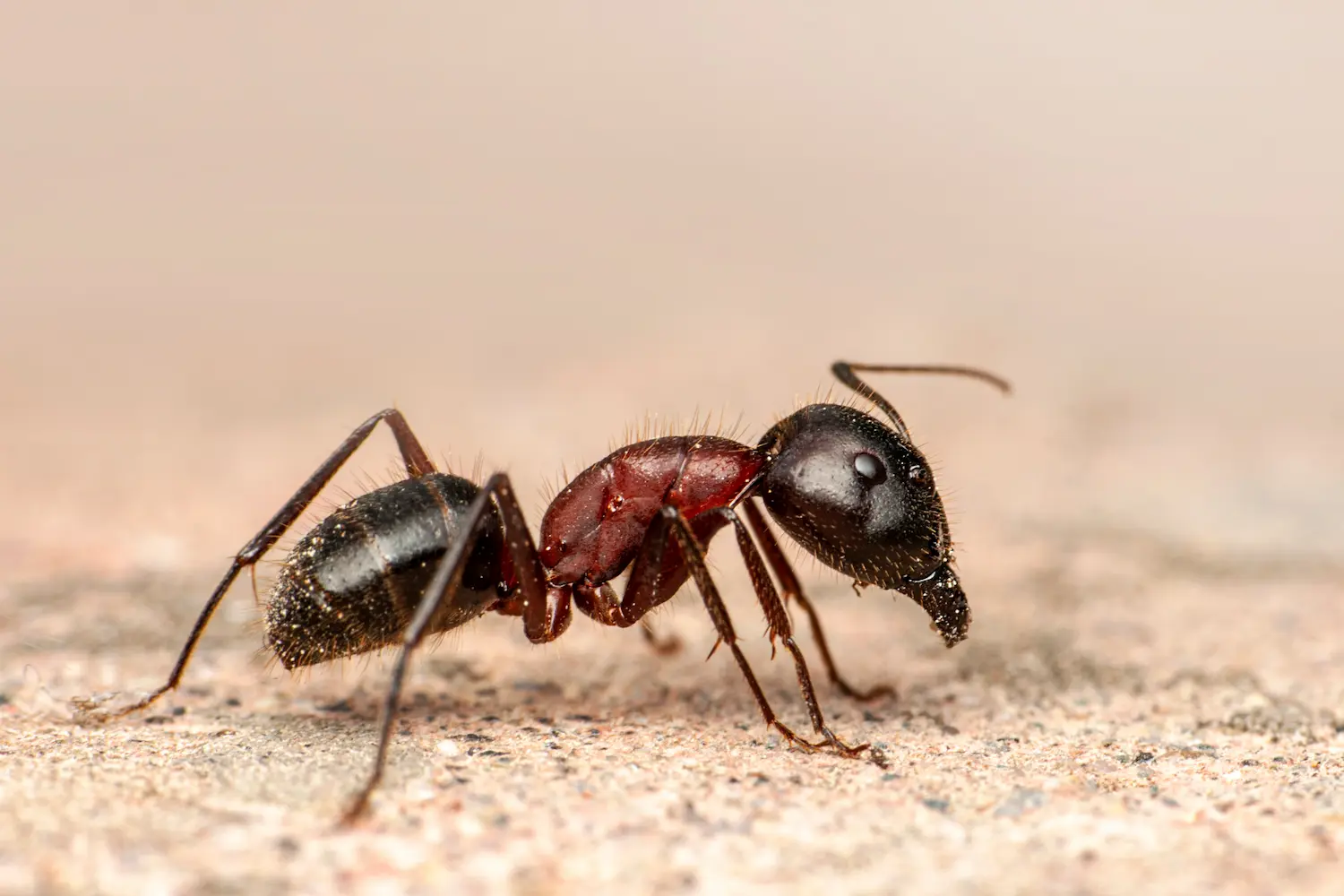
close up of a fire ant on the ground
Key Takeaways
  • Fire ant control may include DIY treatments or professional pest control, depending on the size and location of the infestation.
  • Common DIY options include fire ant baits, mound treatments, and broadcast granules.
  • Professional treatment may include targeted baits, liquid applications, and other methods based on the property and level of activity.
If you’ve ever disturbed a fire ant mound, you know how quickly these ants can respond. Fire ants aggressively defend their colonies and can deliver multiple painful stings, sometimes causing serious allergic reactions. Fire ant colonies live primarily underground and can contain large numbers of ants, making surface activity only part of the problem. Successful treatment needs to address the colony rather than just the ants you can see.

How Can You Get Rid of Fire Ants?

The right approach depends on the size and location of the infestation, the number of active mounds, and whether you plan to treat the property yourself or use professional fire ant control. Because fire ant colonies contain one or more queens and large numbers of workers, treatment should be designed to reach the colony and reduce ongoing activity.

Fire Ant Treatment Options

Several fire ant treatment options are available, and the best choice depends on the property and extent of the infestation.

DIY Fire Ant Treatments

Fire Ant Baits

Fire ant baits combine an attractive food source with a slow-acting active ingredient. Worker ants carry the bait back toward the colony, where it can help reduce the population over time. Results depend on proper application, weather conditions, and the product being used.
Pros:

  • Easy to apply
  • Relatively affordable
  • Can treat multiple mounds at once

Cons:

  • Results may take several days or longer.
  • May require repeat applications.
  • Weather and application timing can affect effectiveness.

Mound Treatments

Mound treatments are applied directly to active fire ant mounds. When used according to label directions, they can provide faster results on individual colonies but may not address fire ants elsewhere on the property.

Pros:

  • Fast-acting
  • Targets specific active mounds
  • Useful for localized infestations

Cons:

  • Only treats visible mounds.
  • May not reach the entire colony.
  • New mounds may appear elsewhere on the property.

Broadcast Granule Treatments

Broadcast granule treatments are applied across larger areas of the lawn or property rather than to individual mounds. Depending on the product, they may help reduce widespread fire ant activity and provide broader coverage.

Pros:

  • Treats large areas at once.
  • Can provide broader coverage than mound-only treatments.
  • Useful when multiple fire ant colonies are present.

Cons:

  • May not eliminate established colonies on its own.
  • Requires even application across the treatment area.
  • Results can vary depending on the product, timing, and weather conditions.
Rocket Pest Control

Get an Instant Quote Over the Phone

Rocket Pest gives all customers a FREE initial quote. Fill out the form below to find out how Rocket can help you today!

Fast, friendly pest & lawn solutions that fit your life.

"*" indicates required fields

Step 1 of 3 – Contact Info

This field is for validation purposes and should be left unchanged.

We keep your info private.

Professional Fire Ant Treatments

Professional fire ant control may use a combination of treatment methods based on the property, number of active colonies, and level of infestation.
  • Professional baits: Target foraging ants that carry treatment back toward the colony.
  • Liquid treatments: May be applied directly to active mounds or other areas of fire ant activity.
  • Broader property treatments: Can help reduce fire ant activity across larger areas when multiple colonies are present.

When to Call an Exterminator

Professional fire ant control may be a good option when:
  • DIY treatments haven’t reduced the activity.
  • The infestation is large or spreading.
  • Fire ant colonies are near frequently used outdoor areas.
  • Someone in the household is sensitive or allergic to fire ant stings.
  • Fire ants continue returning despite previous treatment.
Professional fire ant control can also help with recurring activity and ongoing prevention.

FAQs

How do you get rid of fire ants naturally?

Nonchemical methods may reduce visible fire ant activity, but they usually do not eliminate an established colony. Home remedies can also produce inconsistent results or damage lawns and landscaping. For more reliable control, use products specifically labeled for fire ants according to label directions or consider professional treatment.

The timeline depends on the treatment method and size of the infestation. Professional treatments usually take two to four weeks for full elimination.

Get Professional Help With Fire Ants

Whether you’re dealing with a few active mounds or a larger infestation, Rocket Pest Control can help identify the extent of the problem and recommend the right treatment approach.

Ready to take care of fire ants on your property? Give us a call or contact Rocket Pest Control online for a free inspection and estimate.

Back to Ant Exterminators