
Mosquito Identification
Proudly Serving South Carolina | North Carolina | Georgia | Florida
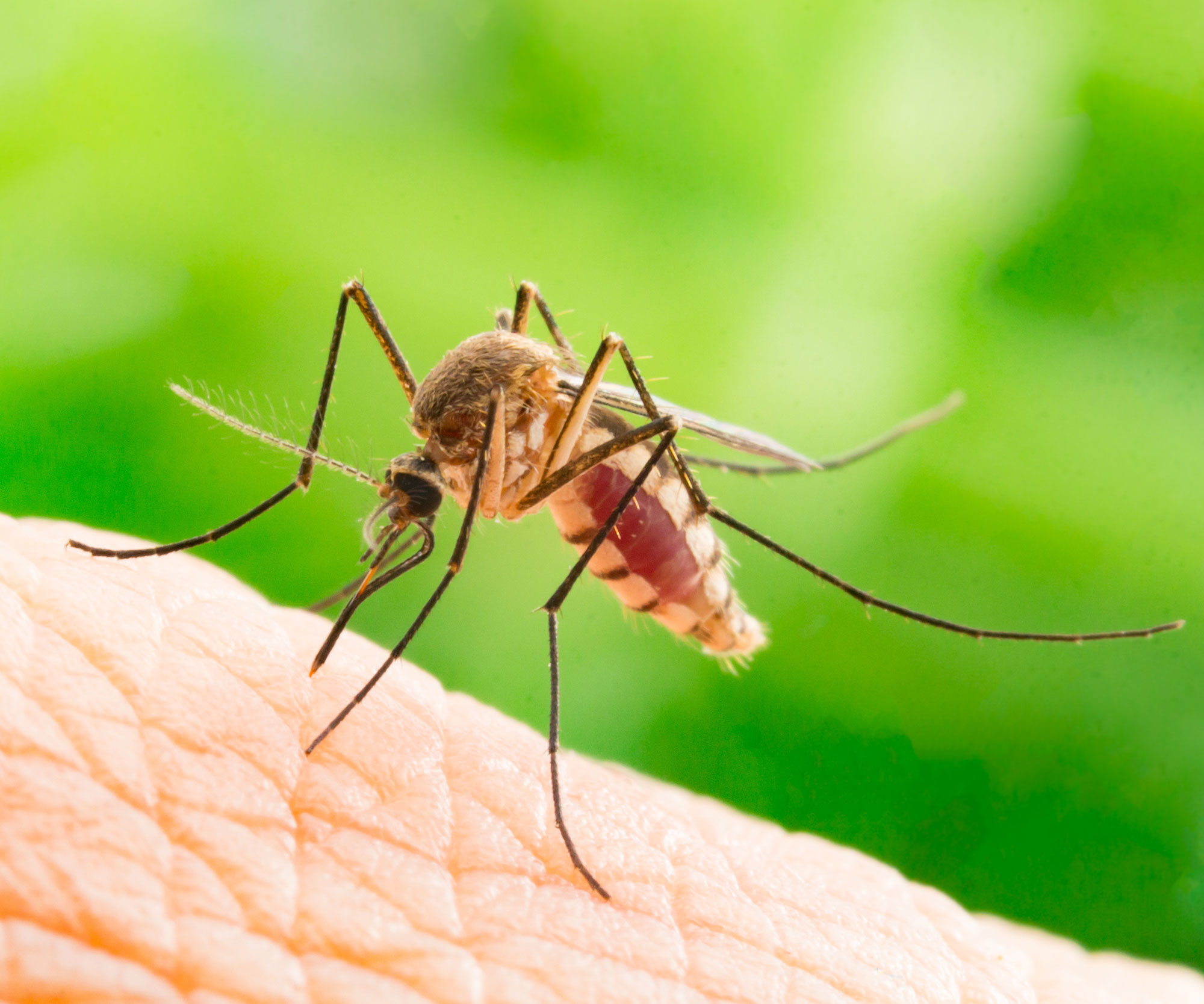
Mosquitoes are small, long-legged flying insects that are often recognized by their slender bodies and prominent proboscis. However, not every small insect hovering around your yard is a mosquito. Midges, crane flies, and other flying insects are frequently mistaken for them.
Knowing what mosquitoes look like, when they’re active, and where they’re breeding can help you determine whether mosquito activity is developing around your property.
What Do Mosquitoes Look Like?
Appearance varies by species, but adult mosquitoes share several common characteristics:
- Size: Many common mosquitoes are approximately ⅛ to ¼ inch long.
- Body: Mosquitoes have narrow, delicate bodies with long legs.
- Wings: Their wings are covered with tiny scales, although these may be difficult to see without magnification.
- Proboscis: Mosquitoes have an elongated mouthpart that extends from the front of the head.
- Color: Depending on the species, mosquitoes may appear brown, gray, black, or patterned with white markings.
- Antennae: Males typically have noticeably bushier antennae than females.
Because mosquito species can be small and visually similar, exact identification may require closer examination than most homeowners can perform without magnification.
Common Mosquitoes in the Southeast
Dozens of mosquito species occur throughout the Southeast, but several are especially important around homes and residential properties.
Asian Tiger Mosquito
The Asian tiger mosquito (Aedes albopictus) is one of the easiest species to recognize. It has a dark body, white-banded legs, and a distinctive white stripe running down the center of its back.
Asian tiger mosquitoes commonly breed in small containers that collect water around homes and yards. They are active during the daytime and may aggressively bite people outdoors.
Yellow Fever Mosquito
The yellow fever mosquito (Aedes aegypti) is dark-colored with white markings on its legs and distinctive pale markings on the upper body.
Like Asian tiger mosquitoes, this species commonly uses water-filled containers around homes for breeding and is often active during daylight hours.
Southern House Mosquito
The southern house mosquito (Culex quinquefasciatus) is generally a medium-sized brown mosquito without the bold black-and-white pattern seen on many Aedes mosquitoes.
These mosquitoes commonly develop in standing water containing organic material, including drains, catch basins, ditches, neglected pools, and other stagnant water sources. Adults are commonly active at night.
Salt Marsh Mosquitoes
Residents near coastal and marsh areas may also encounter salt marsh mosquitoes. These mosquitoes develop in temporarily flooded marsh environments and can travel farther from their breeding sites than many container-breeding species.
Mosquitoes vs. Common Lookalikes
Several harmless insects are frequently mistaken for mosquitoes.
Crane Flies
Crane flies look somewhat like oversized mosquitoes because of their long legs and narrow bodies, but they are much larger. Adult crane flies do not bite people.
Midges
Non-biting midges are small flying insects that may resemble mosquitoes and sometimes gather in large groups around lights or water. Unlike mosquitoes, non-biting midges do not feed on blood.
Gnats and Other Small Flies
Several types of small flies may hover around people, plants, drains, or moisture sources. Where the insects are appearing can provide an important clue about what you’re dealing with.
Do Male and Female Mosquitoes Look Different?
Both male and female mosquitoes feed on plant nectar and other sugars, but only females take blood meals. Female mosquitoes use nutrients from blood to support egg production.
One visible difference is the antennae: male mosquitoes typically have fuller, feathery antennae, while females have much less bushy antennae.
The Mosquito Life Cycle
Mosquitoes develop through four stages:
- Egg: Females lay eggs either directly on water or in areas that may later become flooded, depending on the mosquito species.
- Larva: Mosquito larvae live in water and are sometimes visible near the surface as small moving “wigglers.”
- Pupa: After the larval stages, mosquitoes develop into aquatic pupae.
- Adult: Adult mosquitoes emerge from the water and begin flying, feeding, mating, and eventually reproducing.
Warm temperatures can allow mosquitoes to develop quickly, which is one reason small amounts of standing water around a home can become productive breeding sites.
How to Tell if Mosquitoes Are Breeding Around Your Home
Seeing adult mosquitoes does not necessarily mean they’re breeding directly on your property, but frequent activity may be a reason to inspect for nearby water sources.
Common places to check include:
- Bird baths
- Plant pots and saucers
- Clogged gutters
- Buckets and outdoor containers
- Children’s toys
- Tarps and pool covers
- Old tires
- Pet water bowls
- Drainage areas
- Low areas where rainwater collects
Depending on the species, even small water-holding containers can support mosquito development.
Why Mosquito Identification Matters
Different mosquito species have different breeding habitats, activity patterns, and behaviors. Some primarily use artificial containers around homes, while others develop in drainage areas, marshes, ponds, or other aquatic environments.
Knowing which type of mosquito is active can help determine where to look for breeding conditions and which control methods may be appropriate.
Get Professional Help With Mosquitoes
If mosquitoes are consistently active around your property, Rocket Pest Control can evaluate the areas where mosquitoes are breeding and resting and recommend treatment based on the conditions present.
Our professional mosquito control services are designed to help reduce mosquito activity around homes throughout South Carolina, North Carolina, Georgia, and Florida.
Not sure what’s buzzing around your yard? Contact Rocket Pest Control today for a free quote.
Back to Mosquito Control Services