Fly Identification
Proudly Serving South Carolina | North Carolina | Georgia | Florida
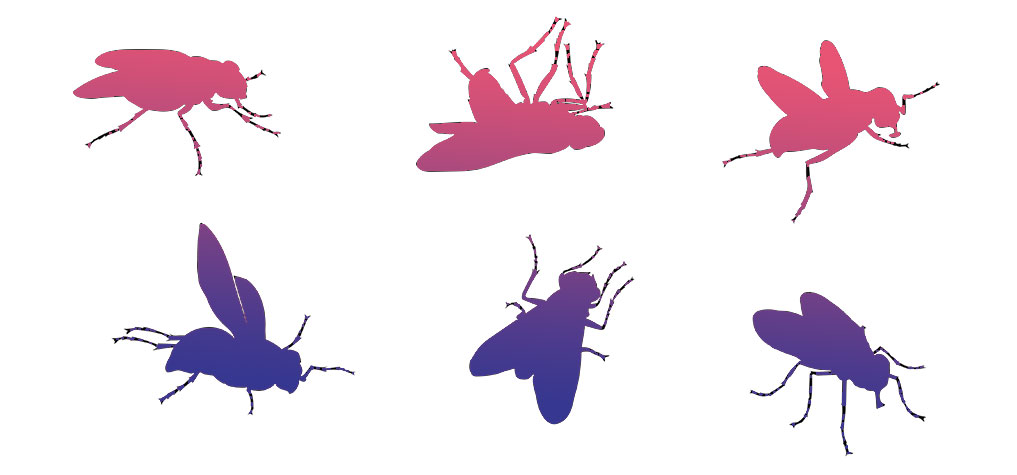
Flies vary widely in size, color, behavior, and preferred breeding areas. Identifying the type of fly you’re seeing can help determine where the activity is coming from and what conditions may be supporting it.
Some flies are mainly nuisance pests, while others may contaminate food and surfaces or deliver painful bites. Knowing what to look for is the first step toward choosing the right control approach.
How to Identify a Fly
Although appearance varies by species, common pest flies generally share several characteristics:
- Wings: Flies have one functional pair of wings.
- Legs: Like other insects, flies have six legs.
- Eyes: Many species have large, prominent compound eyes.
- Color: Depending on the species, flies may appear gray, black, tan, metallic green, or blue.
- Behavior: Where the flies gather, how they move, and what attracts them can provide useful identification clues.
Common Types of Flies in Homes and Businesses
House Flies
House flies are medium-sized gray flies commonly found around homes, businesses, garbage, food, and other organic material. Adults may have dark stripes on the upper body and are frequently seen landing on food or food-preparation surfaces.
Fruit Flies
Fruit flies are very small flies commonly found around ripe or fermenting fruit, vegetables, sugary liquids, recycling containers, and food residue. They are often noticed hovering around kitchens and food-storage areas.
Drain Flies
Drain flies are small, fuzzy flies with broad wings that can give them a moth-like appearance. They are commonly found near sinks, floor drains, plumbing fixtures, and other areas where organic material and moisture collect.
Blow and Bottle Flies
Blow flies and bottle flies are generally larger than house flies and may have metallic blue, green, or bronze coloring. Their presence indoors may be associated with garbage, animal waste, or decaying organic material.
Biting Flies
Horse flies, deer flies, and yellow flies are outdoor biting flies that may be encountered around wooded areas, wetlands, water, livestock, or other suitable habitats. Unlike house flies, these species can deliver painful bites to people and animals.
Learn more about the potential health and sanitation concerns associated with flies.
Signs of a Fly Infestation
Seeing an occasional fly indoors does not always indicate an infestation. Recurring or concentrated activity may point to a nearby breeding source.
Signs to watch for include:
- Large numbers of flies appearing repeatedly in the same area.
- Flies gathering near drains, trash, food, windows, or moisture sources.
- Small flies emerging from sinks or floor drains.
- Fly larvae or maggots around garbage or decaying organic material.
- Continued activity despite cleaning and removing visible adult flies.
Why Identifying the Fly Species Matters
Different fly species breed in different materials and environments. Treating the adult flies without locating the breeding source may only provide temporary relief.
For example, drain-fly activity may require attention to organic buildup in plumbing, while fruit flies may be associated with food residue or fermenting material. Larger house or bottle flies may point to a different sanitation or breeding source entirely.
Correct identification helps determine where to inspect and which conditions need to be addressed.
Get Professional Help With Fly Identification & Control
If fly activity continues and you cannot determine where it is coming from, Rocket Pest Control can identify the fly species, inspect for breeding areas, and recommend treatment based on the conditions present.
We provide professional fly control for homes and businesses throughout South Carolina, North Carolina, Georgia, and Florida.
Not sure what type of fly you’re dealing with? Contact Rocket Pest Control today for a free quote.
Back to Fly Exterminators & Control