Treating a Bee, Wasp, or Hornet Sting
Proudly Serving South Carolina | North Carolina | Georgia | Florida
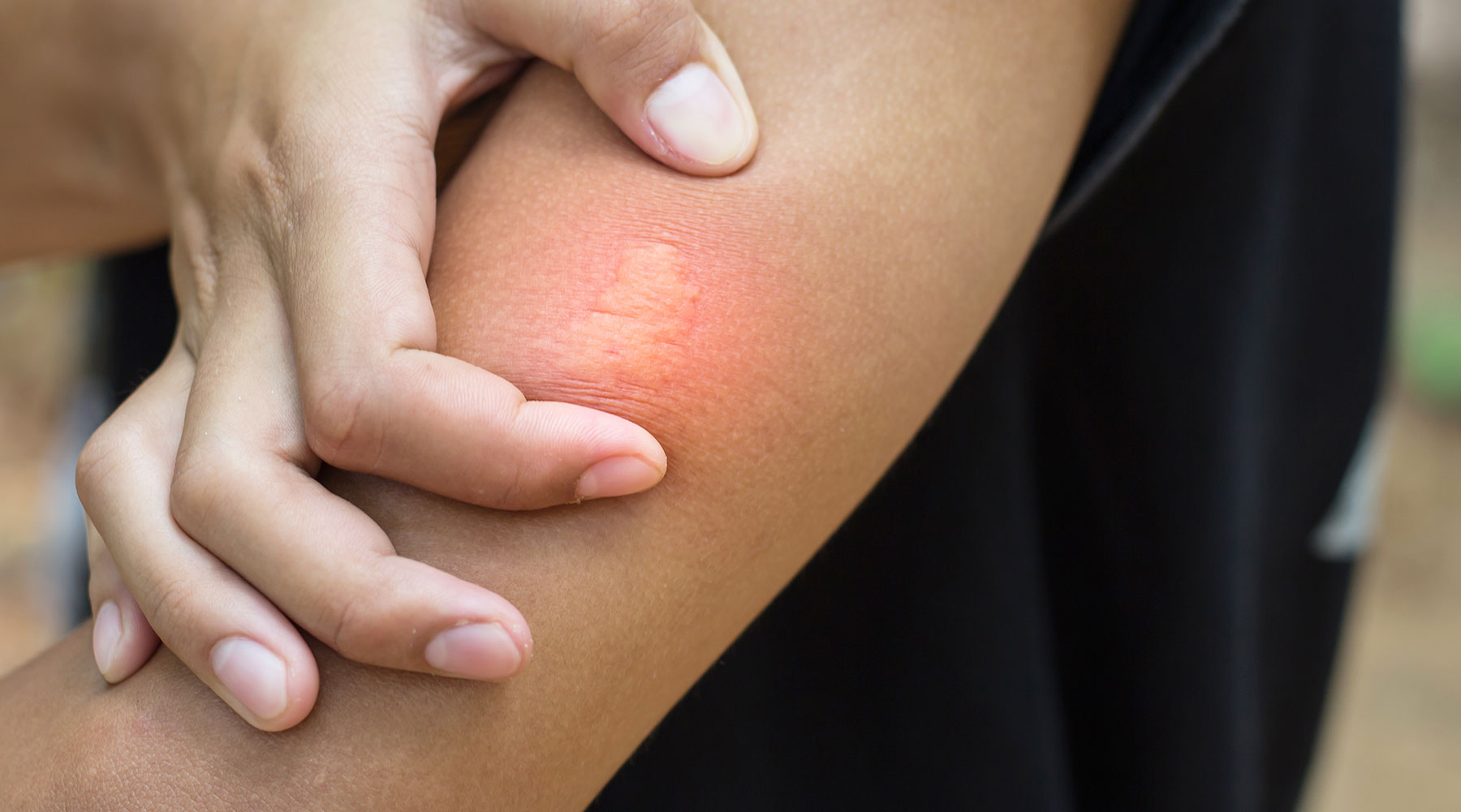
Bee, wasp, and hornet stings can cause immediate pain, redness, and swelling. Most reactions are mild and can be treated at home, but some people may experience a serious allergic reaction that requires emergency medical care.
Wasps and hornets can typically sting more than once. Honey bees usually leave a barbed stinger behind in the skin, so check the sting area and remove any remaining stinger as quickly as possible.
How to Treat a Bee, Wasp, or Hornet Sting
For a mild reaction, basic first aid can help reduce pain, itching, and swelling:
- Move away from the area: Calmly leave the area to reduce the chance of additional stings.
- Remove the stinger: If a stinger remains in the skin, remove it promptly. The American Academy of Dermatology recommends scraping it away with a fingernail or piece of gauze.
- Wash the area: Gently clean the sting with soap and water.
- Apply a cold compress: Use a cold pack or cloth-wrapped ice to help reduce pain and swelling.
- Treat discomfort if needed: Over-the-counter pain relievers, antihistamines, or hydrocortisone cream may help with mild symptoms when used according to label directions.
When to Seek Emergency Medical Care
Severe allergic reactions to insect stings can be life-threatening. Call 911 or seek emergency medical care if symptoms of anaphylaxis develop, including:
- Difficulty breathing or swallowing.
- Swelling of the face, lips, tongue, or throat.
- Dizziness, fainting, or loss of consciousness.
- Hives or widespread skin reactions.
- A weak or rapid pulse.
- Nausea, vomiting, or other rapidly developing symptoms.
If you have been prescribed an epinephrine auto-injector for severe allergies, use it as directed and seek emergency medical care.
How to Reduce the Risk of Bee, Wasp & Hornet Stings
Stinging insects are often most concerning when nests are located near entrances, walkways, patios, play areas, or other frequently used spaces.
To help reduce encounters:
- Keep outdoor food and drinks covered.
- Keep trash cans securely closed.
- Watch for nests around eaves, sheds, landscaping, and ground-level cavities.
- Avoid disturbing an active nest.
- Keep people and pets away from areas with heavy stinging insect activity.
If a nest is located near your home or business, Rocket Pest Control can identify the species, evaluate the nest location, and recommend the appropriate treatment or removal approach.
Need help with bees, wasps, or hornets? Contact Rocket Pest Control today for a free quote.
Back to Bee, Wasp & Hornet Pest Control