Bee, Wasp, and Hornet Identification
Proudly Serving South Carolina | North Carolina | Georgia | Florida
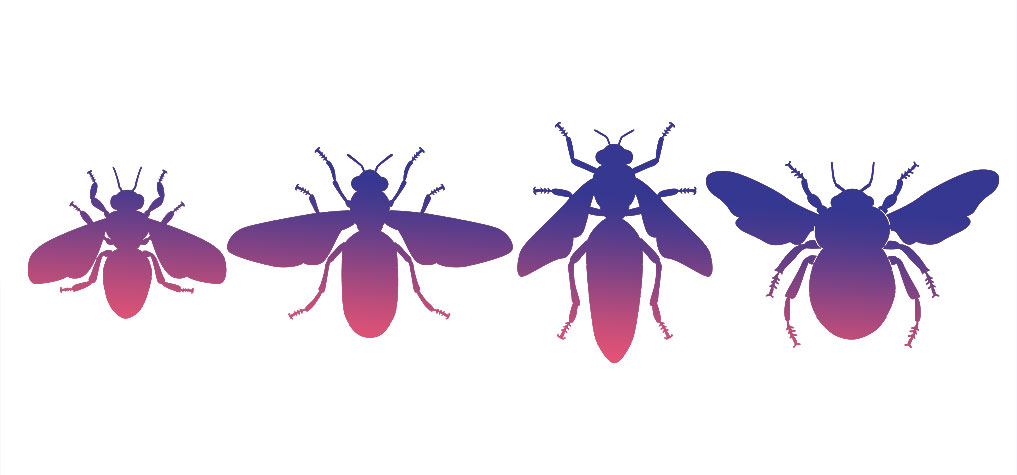
Bees, wasps, and hornets can look similar at a glance, but their appearance, behavior, and nesting habits can help tell them apart. Correct identification matters because some species are valuable pollinators, while others may become a safety concern when they nest close to homes, businesses, walkways, or outdoor living areas.
Many bees and wasps also play beneficial roles in pollination and natural pest control, so treatment or removal is not always necessary unless their location creates a risk to people or pets.
How to Tell the Difference Between Bees, Wasps, and Hornets
Although species vary, there are several general characteristics that can help distinguish these common stinging insects.
Bees
- Generally have rounder, hairier bodies than wasps.
- Colors may range from yellow and black to brown, orange, or mostly black depending on the species.
- Often seen visiting flowers while collecting pollen and nectar.
- Honey bees have barbed stingers and usually sting only once, while other bees may be capable of stinging more than once.
Wasps
- Typically have smoother bodies with less visible hair.
- Often have a narrow, defined waist.
- Color patterns vary by species and may include yellow, black, reddish-brown, or white markings.
- Many wasps can sting multiple times.
Hornets
- Hornets are a type of wasp and are generally larger and more robust than many other wasps.
- Color varies by species, including black and white or brown and yellow.
- Social hornets may aggressively defend their nest if it is disturbed.
- Hornets can sting multiple times.
Spotted a nest but not sure what you’re dealing with? Visit our Stinging Insect Nest Identification Guide.
What to Do if You Find Bees, Wasps, or Hornets
Many bees, wasps, and hornets are beneficial when they are away from frequently used areas. A nest becomes more concerning when it is located near entrances, walkways, patios, play areas, or other places where people or pets may accidentally disturb it.
If you are unsure which species you have or whether a nest should be treated or removed, Rocket Pest Control can help identify the insect, locate nesting activity, and recommend the appropriate next step.
Need help with a stinging insect nest? Contact Rocket Pest Control today for a free quote.
Back to Bee, Wasp & Hornet Pest Control