
Why Are Mosquito Bites So Annoying and What Can You Do About Them?

Proudly Serving South Carolina | North Carolina | Georgia | Florida
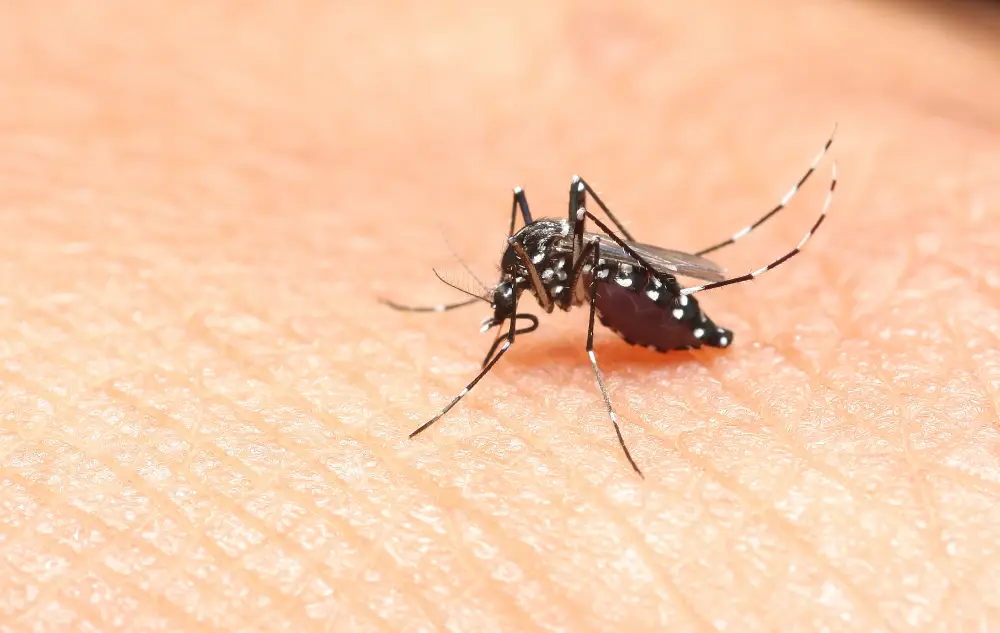

female mosquito inserts proboscis into human skin to extract blood meal

One thing that everyone can still agree on these days is that mosquito bites are the worst. What makes them so uniquely irritating? There are a couple of factors at play. For one thing, it’s their extreme degree of itchiness, and the way they get itchier the more you scratch them. And it’s also the way that mosquitoes seem to bite you every time you’re just sitting down outside to try to relax.

In this article, we’re going to go over everything you need to know about mosquito bites, what makes them so frustrating, how you can avoid them, and some home remedies that may make them feel better.

Jump to a section:

Spraying for mosquitoes
Mosquito spray is a simple but highly effective way to avoid getting bitten.

Why Do Mosquitoes Bite?

Let’s start with the basics – why do mosquitoes love to bite people so much? Believe it or not, it’s not because they’re jerks who want to see us suffer. Mosquito bites actually play a critical role in the mosquito breeding process. Without a blood meal, mosquitoes would be unable to lay eggs at all.

In fact, here are two startling facts about the role mosquito bites play in the mosquito breeding process that most people don’t know:

  • Only female mosquitoes bite. Male mosquitoes never bite.
  • Mosquitoes only bite as part of the breeding process. Every time you’ve been bitten by a mosquito, it’s been a female mosquito that was planning to immediately lay a raft of eggs. Most of the time, mosquitoes eat plant nectar. They only eat blood when it’s time to lay eggs.

How Do Mosquitoes Choose Who to Bite?

Ever feel like mosquitoes single you out in a crowd? You’re not imagining it. Mosquitoes are highly sophisticated hunters that use a combination of visual and chemical cues to track down their favorite targets. Here’s why they choose certain people more often than others:

  • Skin Microbes and Pheromones: The unique, natural blend of bacteria and pheromones on your skin creates a distinct scent profile. Some people naturally produce scents that mosquitoes find absolutely irresistible.
  • Dark Clothing: Mosquitoes use their eyes to locate targets from a distance. Because they fly close to the ground, they look for silhouettes that contrast with the horizon — meaning dark colors like black, navy blue, and dark red make you an easy target.
  • Carbon Dioxide: Every time you exhale, you are sending out a homing beacon. Mosquitoes can detect the CO2 from human breath from up to 150 feet away.
  • Body Heat and Sweat: As you warm up, your body radiates heat and releases sweat containing compounds like lactic acid, uric acid, and ammonia. Mosquitoes are naturally drawn to these chemical signatures.

Why Are Mosquito Bites So Itchy?

The itch isn’t actually caused by the bite itself—it’s an allergic reaction triggered by your own immune system.

Here is exactly what happens under your skin:

  • The Injection: When a female mosquito pierces your skin, she injects saliva containing special proteins that act as a blood thinner so she can feed quickly.
  • The Defense: Your immune system recognizes these foreign proteins as invaders and immediately fights back by releasing a chemical called histamine.
  • The Reaction: Histamine causes your blood vessels to swell—creating the signature red bump—while irritating your nerve endings to send an urgent “itch” signal to your brain.

Why It’s Important to Never Scratch Mosquito Bites

It’s not a myth: scratching a mosquito bite does make it worse. So, while it might feel good to scratch it, keep in mind that you’re likely worsening and prolonging the irritation. Scratching spreads the mosquito saliva and histamine further into the surrounding tissue, which inflames the area and makes the itch even worse.

What’s the Best Way to Avoid Mosquito Bites?

man pointing to a fresh mosquito bite - learn how to identify mosquito bites hereStaying bite-free requires a two-pronged strategy. When you are out in deep nature, you can’t control the environment—you can only protect your body and react to the pests around you. However, when it comes to your own backyard, you have much more power to actively control and shape the environment to keep mosquitoes away.

Avoiding Mosquito Bites in the Wild

When you are hiking, camping, or exploring public parks, you are on the mosquitoes’ home turf. Protect yourself using these quick tips:

  • Dress defensively: Wear long-sleeved shirts and long pants. Opt for loose-fitting clothing, as mosquitoes can easily bite through tight fabrics like yoga pants or undergarments.
  • Wear light colors: Swap out dark shades for whites, pastels, or light khakis to keep yourself off their visual radar.
  • Apply EPA-registered repellent: Use a bug spray containing proven active ingredients like DEET, picaridin, or oil of lemon eucalyptus.
  • Time it right: Avoid spending prolonged time outdoors during dawn and dusk, which are peak feeding hours for most local mosquito species.

Avoiding Mosquito Bites in Your Yard

Your yard should be a sanctuary, not a breeding ground. In the Carolinas, Georgia, and Florida, that can be easier said than done. Still, there are a few things you can do that will help take back control of your property with these proactive habits:

  • Eliminate standing water: Female mosquitoes only need a bottle cap’s worth of water to lay eggs. Routinely tip out water from birdbaths, clogged gutters, flowerpots, toys, and pool covers.
  • Keep landscaping trimmed: Mosquitoes rest in tall grass and dense brush during the heat of the day. Keep your lawn mowed and your shrubs neatly manicured.
  • Create a breeze: Mosquitoes are incredibly weak fliers. If you’re hanging out on a porch or patio, turning on a couple of outdoor fans can completely disrupt their flight paths.
  • Work with a professional exterminator: The most effective line of defense is professional mosquito control. A trained professional can locate hidden breeding grounds, giving you long-term prevention, family protection, and reducing mosquito populations around the home.

>> Looking for relief from mosquito bites? We offer barrier treatments and recurring mosquito control in the Southeastern U.S. that protects your backyard – even at the height of mosquito season.

What Should You Do When You Get a Mosquito Bite?

Once bitten by a mosquito, you can experience redness and itching anywhere from a few hours to a couple of days. As hard as it may be, don’t itch. Itching can break the skin and possibly lead to an infection and prolonging of symptoms.

Are There Any Home Remedies for Mosquito Bites?

Only time can fully heal a mosquito bite, but there are countless backyard remedies that claim to alleviate symptoms. Let’s separate the fact from the fiction. To protect your skin from infection or accidental burns, it is critical to know the difference between proven treatments and internet myths.

5 Home Remedies That Can Actually Work (And Why)

These options are backed by dermatological science to safely interrupt the itch response or reduce local inflammation.

#1) A Cold Compress or Ice Pack

Cold is a fast, safe symptomatic treatment. It causes blood vessels to constrict (narrowing), which directly reduces the amount of swelling and prevents more histamine from flooding the area. Additionally, the cold temperature temporarily numbs the local nerve endings, stopping the itch signal before it can reach your brain.

#2) Hydrocortisone Cream (Over-the-Counter)

This is the medical gold standard for a reason. Hydrocortisone is a mild topical steroid that penetrates the skin to actively suppress the immune cells releasing histamine. It shuts down the inflammatory response at the source, eliminating both the redness and the urge to scratch.

#3) A Baking Soda Paste

Mixing one tablespoon of baking soda with a few drops of water creates a thick paste that acts as a mild, safe anti-inflammatory protectant. While it doesn’t change your internal biology, the physical paste cools the skin, draws out fluid from the swelling, and soothes irritated nerve endings as it dries.

#4) Colloidal Oatmeal Soaks

Finely ground oatmeal contains natural compounds called avenanthramides, which are potent anti-irritants. When mixed into a lukewarm bath or applied as a paste, these compounds bind to the skin and form a protective barrier that actively blocks the inflammatory pathways causing the itch.

#5) Oral Antihistamines (e.g., Cetirizine, Loratadine, or Diphenhydramine)

Because a mosquito bite is a literal allergic reaction, treating it systemically is highly effective. These over-the-counter medications block the histamine receptors in your body. If you are someone who gets massive, intensely swollen welts, an oral antihistamine keeps the immune response under control from the inside out.

5 Home Remedies That Don’t Really Work

These popular internet remedies rely on flawed science, placebo effects, or outright dangerous advice.

#1) The Heated Spoon / Hairdryer

Can you really use heat to alleviate mosquito bite irritation? While heat will temporarily relieve the itchiness, it will not treat the bite. It doesn’t “cook” the saliva proteins (that would require burning your skin). It just overloads your nerves with heat to mask the itch, risking a blister in the process.

#2) Apple Cider Vinegar

Acid cannot stop an internal, cellular histamine reaction. If you’ve already scratched the bite open, pouring vinegar on it will just sting and irritate the tissue.

#3) Raw Garlic or “Garlic Lotion”

Garlic is a natural skin irritant. Rubbing it onto an inflamed bite causes chemical burning and contact dermatitis, making the swelling worse.

#4) Toothpaste

The mint provides a brief cooling distraction, but the harsh abrasives and detergents dry out your skin and trigger secondary allergic rashes.

#5) Kitchen Honey

Regular honey isn’t sterile medical honey. Putting a sticky sugar coating on your skin outdoors just attracts dirt, bacteria, and more bugs.

Can You Get Diseases from Mosquito Bites?

When a mosquito bites, it isn’t just taking a blood meal—it can also pass along microscopic hitchhikers. Globally, mosquitoes are infamous for spreading dangerous tropical diseases like malaria and yellow fever. Fortunately, if you live in the Southeast, the risk of catching those specific tropical illnesses at home is incredibly low; they are almost exclusively found in travelers returning from overseas.

However, that doesn’t mean our local mosquitoes are entirely harmless. Right here in the Carolinas, Georgia, and Florida, mosquitoes carry a few very real threats that active homeowners should know about:

  • West Nile Virus: The most common mosquito-borne disease in the continental U.S., which can cause fever, headaches, and body aches.
  • Eastern Equine Encephalitis (EEE): Though rare, EEE is a serious virus found in the Southeast that impacts the central nervous system and can affect both humans and horses.
  • Dengue Fever: While historically tropical, local transmission of Dengue has seen sporadic spikes in warmer, humid pockets of the Southeast—particularly in Florida.
south carolina resident with multiple mosquito bites on their leg
Mosquito bites are no fun. If you’ve been suffering, reach out to our experienced mosquito control team today.

Because they act as vectors (living transmitters) for these viruses, keeping mosquito populations down around your home isn’t just about stopping the itch—it’s an important step in protecting your family’s health.

Keep Mosquitoes Away and Reduce Your Risk of Bites

Mosquito bites can be extremely annoying to deal with, especially since you often get more than one at a time. There are a few things you can do that will deter mosquitoes from biting you, such as repellent sprays, wearing loose, light-colored clothes, and passing on floral perfumes and lotions.

At Rocket Pest, we understand how frustrating it can be to deal with mosquitoes and their nasty bites. Our technicians are experts in eliminating any type of pest that may have invaded your living space. Contact us today to keep mosquitoes away from your home!

Back to Mosquito Control